
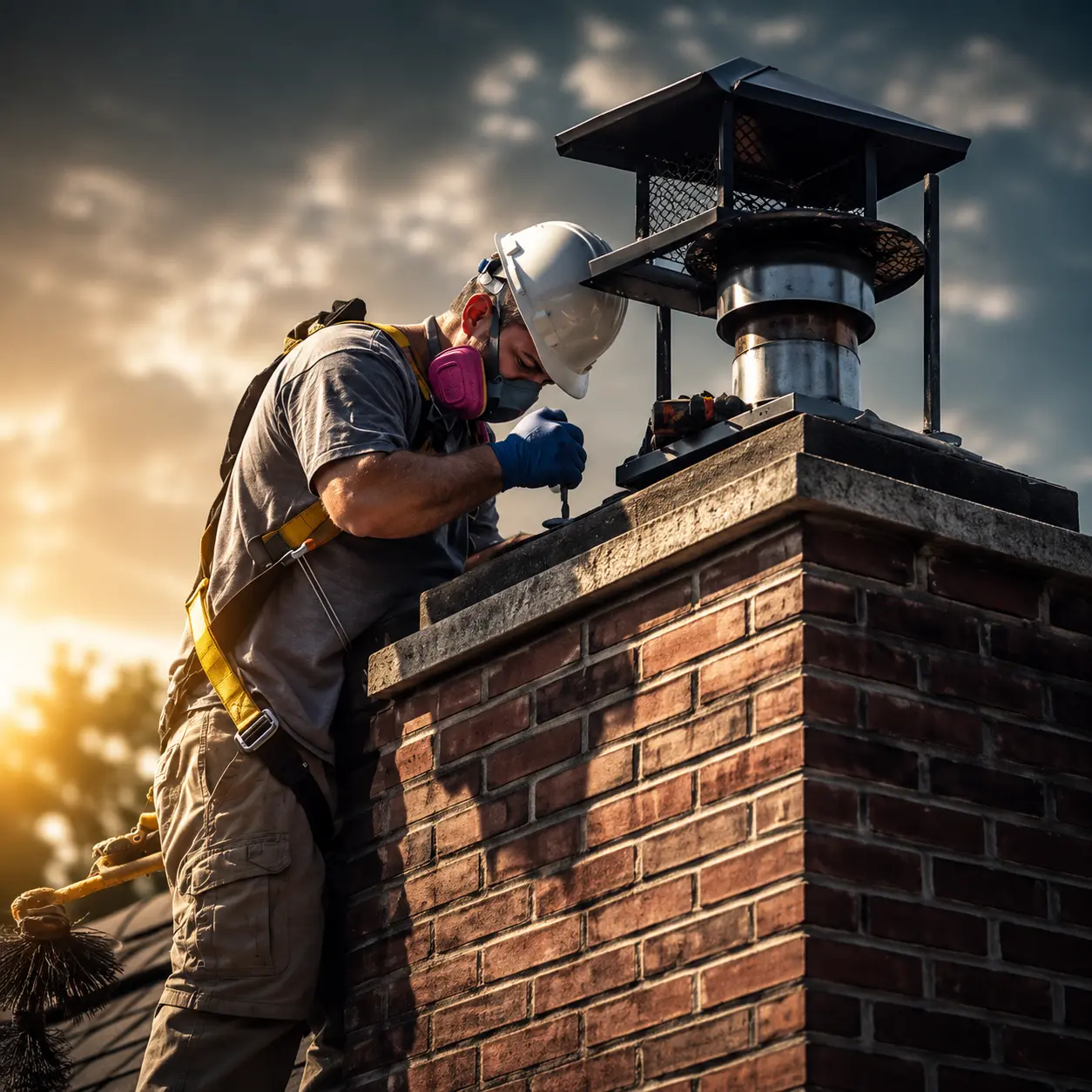
Premium Chimney Solutions
Chimney Sweeping
A chimney does more than carry smoke away from your fireplace. Every time you burn wood, combustion produces soot, ash, and creosote that can accumulate inside the chimney.
Over time, these deposits can restrict airflow, create unpleasant odors, contribute to chimney deterioration, and increase the potential for chimney fires.
Professional chimney sweeping removes accumulated soot, creosote, and debris from the chimney and helps keep the venting system clear.
At The Doctors Chimney, we provide professional chimney sweeping services for homeowners who want to keep their chimney properly maintained and ready for use.




What Is Chimney Sweeping?
Chimney sweeping is the professional cleaning of the chimney and flue to remove accumulated deposits and obstructions.
Depending on the chimney and the type of buildup present, sweeping may remove:
- Soot
- Creosote
- Ash
- Leaves
- Debris
- Animal nesting material
- Other combustible or obstructive deposits
Professional sweeping is more than simply cleaning the visible fireplace.
The chimney flue, smoke chamber, smoke shelf, and other accessible areas may also require attention depending on the system.
CSIA explains that mechanical sweeping removes deposits from the flue and also removes the resulting loose soot and creosote from areas such as the fireplace, smoke shelf, baffle, or offsets.
Why Does Your Chimney Need to Be Swept?
Burning wood produces combustion byproducts that can accumulate inside the chimney.
One of the most important deposits is creosote.
Creosote forms when combustion byproducts condense on the cooler interior surfaces of the chimney. It can appear flaky, crusty, sticky, tar-like, or hardened, and it is combustible.
Regular chimney sweeping helps remove these deposits before they become a larger maintenance or safety concern.
Professional chimney cleaning can also help:
- Remove accumulated creosote
- Clear soot and debris
- Remove potential blockages
- Reduce chimney odors
- Keep the flue clear
- Identify conditions that may require repair
- Maintain the chimney between inspections
What Is Creosote?
Creosote is a combustion byproduct that can form inside chimneys, particularly those connected to wood-burning fireplaces and stoves.
It can develop in different forms, including:
First-Degree Creosote
A light, flaky deposit that may be relatively easier to remove.
Second-Degree Creosote
A harder, more substantial deposit that may require more aggressive mechanical cleaning.
Third-Degree Creosote
A thick, glazed, tar-like or highly concentrated deposit that can be significantly more difficult to remove.
The type and amount of creosote determine the appropriate cleaning method.
CSIA notes that different cleaning techniques may be required depending on the type of deposit, with mechanical methods used by professionals for harder or glazed deposits.
Signs Your Chimney Needs Sweeping
Not sure if your chimney needs cleaning?
Look for these warning signs.
Visible Creosote or Soot
If you can see significant dark buildup inside the firebox or accessible chimney areas, professional evaluation may be appropriate.
Strong Fireplace Odor
A strong smoky or creosote-like odor can become more noticeable when the chimney is warm, humid, or unused for a period of time.
Smoke Entering the Room
Smoke that doesn’t properly draft up the chimney may indicate a blockage, buildup, draft issue, or another chimney problem.
Sweeping may be necessary, but the cause should be professionally evaluated rather than assuming cleaning alone will solve it.
Poor Fireplace Draft
If smoke rises slowly or the fireplace doesn’t draft as it previously did, buildup or an obstruction may be affecting the system.
Animal Nesting Material
Birds and other animals can enter chimneys and leave behind nesting material or debris.
It Has Been a Long Time Since Your Last Cleaning
If you don’t know when the chimney was last swept, an inspection and evaluation can determine whether cleaning is needed.
How Often Should a Chimney Be Swept?
There is no single cleaning schedule that applies to every chimney.
The required frequency depends on factors such as:
- How often the fireplace is used
- Type of fuel
- Type of fireplace or appliance
- Burning habits
- Chimney design
- Amount of soot and creosote
- Moisture conditions
- Previous maintenance
CSIA’s homeowner guidance explains that chimneys should be inspected at least annually and cleaned as necessary. It also notes that cleaning frequency depends on use, installation, fuel type, and burning habits.
For that reason, an annual inspection is one of the best ways to determine whether your chimney actually needs sweeping.
When Should You Sweep Your Chimney?
Many homeowners schedule chimney sweeping before the heating season.
That’s a practical time to make sure the chimney is evaluated and cleaned before regular fireplace use begins.
However, you may need sweeping at another time if:
- You use your fireplace frequently
- There is visible creosote
- You smell strong chimney odors
- Smoke is backing up
- An animal has entered the chimney
- You recently purchased the home
- Your chimney hasn’t been maintained
- A previous inspection recommended cleaning
If you’re unsure, schedule an inspection and let a professional determine whether sweeping is necessary.
Chimney Sweeping Before Winter
Before the first fire of the season, your chimney should be ready for use.
A professional chimney sweeping can remove accumulated deposits from the previous heating season and help identify potential problems.
Scheduling service before winter can also give you time to address repairs if the inspection reveals:
- Cracked masonry
- Damaged flue components
- A blocked chimney
- Damaged chimney cap
- Water intrusion
- Excessive creosote
- Other maintenance concerns
Chimney Sweeping After Winter
Your chimney may accumulate significant deposits during a season of frequent fireplace use.
Sweeping after winter can remove accumulated soot and creosote and help prepare the chimney for the warmer months.
It can also be a good time to identify damage or maintenance issues before they become more serious.
Wood-Burning Chimney Sweeping
Wood-burning fireplaces and stoves produce combustion deposits that can accumulate inside the chimney.
The amount of buildup depends on factors such as:
- Type of wood
- Moisture content of the wood
- Frequency of use
- Fireplace design
- Chimney temperature
- Air supply
Burning properly seasoned firewood and maintaining adequate airflow can help reduce certain conditions that contribute to creosote formation, but it does not eliminate the need for inspection and cleaning when deposits accumulate.
Gas Chimney Cleaning
Gas appliances generally produce different combustion byproducts from wood-burning fireplaces.
However, chimneys and vents connected to gas appliances can still develop problems, including corrosion, debris, blockages, or deterioration.
A professional inspection can determine whether cleaning or another maintenance service is needed.
Do not assume that a gas appliance means the chimney never needs inspection.
CSIA notes that even chimneys serving gas appliances can experience deterioration and blockage issues.
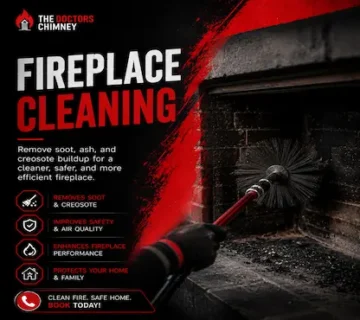
Chimney Sweeping vs. Fireplace Cleaning
These services are related, but they are not the same.
Focuses primarily on the fireplace and firebox, including accumulated ash, soot, and accessible debris.
Focuses on the chimney and flue, removing accumulated soot, creosote, and other deposits or obstructions.
A fireplace can look clean while the chimney still contains significant buildup.
That’s why cleaning the visible fireplace should not be considered a substitute for professional chimney sweeping.
Chimney Sweeping vs. Chimney Inspection
A chimney inspection evaluates the condition of the chimney and venting system.
Chimney sweeping removes deposits and debris.
They serve different purposes.
In many cases, both are performed as part of proper chimney maintenance.
CSIA recommends annual chimney inspections and cleaning when necessary.
Does Chimney Sweeping Remove Creosote?
Yes, Professional chimney sweeping is designed to remove accumulated soot and creosote from the chimney.
However, the cleaning method depends on the type and condition of the deposits.
Light deposits may be removable through standard brushing, while hard or glazed creosote may require specialized mechanical techniques.
CSIA notes that mechanical cleaning is effective for soot and ordinary creosote, while harder or glazed deposits may require additional professional methods.
Can Chimney Sweeping Prevent Chimney Fires?
Professional sweeping helps remove combustible deposits such as creosote.
However, sweeping should be considered part of a larger chimney maintenance program—not a guarantee that a chimney fire can never occur.
Annual inspection can identify other issues such as cracks, blockages, damaged components, or structural problems.
CSIA recommends annual inspection and sweeping or repair as needed to help reduce chimney and venting hazards.
Can I Clean My Chimney Myself?
DIY chimney cleaning may appear simple, but chimney sweeping requires the right equipment, cleaning methods, and knowledge of chimney systems.
Professional service is especially important when:
- Creosote buildup is heavy
- Deposits are glazed or hardened
- The chimney is difficult to access
- You suspect a blockage
- An animal has entered the chimney
- You notice smoke problems
- You suspect chimney damage
- You cannot determine the chimney’s condition
CSIA specifically cautions that mechanical cleaning methods involving specialized equipment should be performed by professionals familiar with the equipment and the chimney system.
Do Chimney Cleaning Logs Replace Professional Sweeping?
No, Products marketed as chimney cleaning logs or chemical cleaners should not be treated as a replacement for professional inspection and mechanical cleaning.
CSIA states that chemical cleaning products are not an adequate substitute for professional chimney inspection and mechanical cleaning.
If you use one of these products, it should not replace regular chimney maintenance.
What Happens During Professional Chimney Sweeping?
The exact process depends on the chimney and the type of deposits present.
A professional cleaning may include:
1. Initial Assessment
The technician evaluates the fireplace and chimney before beginning the cleaning.
2. Protecting the Work Area
The surrounding fireplace area is protected to minimize dust and debris entering the home.
3. Fireplace and Smoke Chamber Preparation
Accessible areas are prepared for cleaning.
4. Mechanical Sweeping
Appropriate brushes or mechanical cleaning equipment are used to remove deposits from the chimney.
5. Removal of Loose Debris
Soot, creosote, ash, and other loosened material are collected and removed.
6. Additional Cleaning When Necessary
Hard or glazed deposits may require specialized cleaning techniques.
7. Final Evaluation
The technician checks the accessible system and identifies any conditions that may require additional inspection or repair.
Will Chimney Sweeping Make a Mess?
Professional chimney sweeping should be performed with appropriate containment and vacuum equipment to minimize dust and debris inside the home.
The work area should be protected before cleaning begins.
The goal is to remove chimney deposits without leaving unnecessary soot throughout the fireplace area or living space.
What Should I Do Before a Chimney Sweep Arrives?
To help the service go smoothly:
- Make sure the fireplace is completely cool
- Remove decorative items around the fireplace
- Keep children and pets away from the work area
- Tell the technician about smoke problems
- Mention any unusual odors
- Let the technician know about previous chimney fires
- Mention if animals have entered the chimney
- Tell the technician about any previous repairs
If you haven’t used the fireplace recently, let the technician know that as well.
What Happens If the Chimney Needs Repairs?
Sometimes sweeping reveals a problem that requires additional work.
For example, the technician may discover:
- Cracked masonry
- Damaged flue liner
- Deteriorated mortar
- Damaged chimney crown
- Broken chimney cap
- Water intrusion
- Structural deterioration
- Animal-related blockage
Sweeping removes deposits, but it does not repair structural or component damage.
If a repair is needed, the appropriate service should be explained separately.
Chimney Sweeping After a Chimney Fire
If you believe your chimney has experienced a chimney fire, do not simply schedule a cleaning and immediately return the fireplace to normal use.
A chimney fire can damage the flue liner, masonry, and other components.
The chimney should be professionally inspected to determine whether damage occurred before it is used again.
CSIA recommends professional evaluation after a suspected chimney fire.
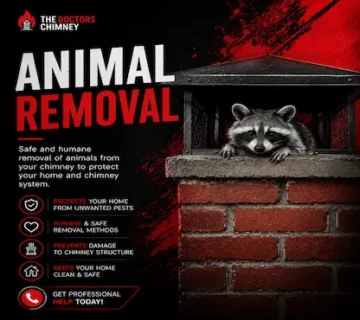
Chimney Sweeping After Animal Removal
If an animal has entered the chimney, removing the animal may not be the end of the problem.
Nesting material, feathers, leaves, dirt, and other debris may remain inside the chimney.
After animal removal, the chimney may need cleaning and inspection to determine whether the chimney is clear and whether any components were damaged.
[LEARN MORE ABOUT ANIMAL REMOVAL]
How Much Does Chimney Sweeping Cost?
The cost of chimney sweeping depends on the chimney and the amount and type of buildup.
Factors may include:
- Chimney height
- Chimney configuration
- Number of flues
- Amount of soot
- Amount of creosote
- Type of deposits
- Accessibility
- Whether additional cleaning is required
- Whether an inspection or repair is also needed
A heavily contaminated chimney requiring specialized cleaning is different from a chimney with light routine buildup.
For an accurate price, the chimney should be evaluated based on the actual scope of work.
How Long Does Chimney Sweeping Take?
The time required depends on the chimney’s size, configuration, accessibility, and condition.
A routine cleaning may take less time than a chimney with:
- Heavy creosote
- Glazed deposits
- Multiple flues
- Difficult access
- Animal debris
- Significant blockages
The technician can provide a more accurate estimate after evaluating the system.
The time required depends on the chimney’s size, configuration, accessibility, and condition.
A routine cleaning may take less time than a chimney with:
- Heavy creosote
- Glazed deposits
- Multiple flues
- Difficult access
- Animal debris
- Significant blockages
The technician can provide a more accurate estimate after evaluating the system.
Why Choose The Doctors Chimney?
Professional chimney sweeping is about more than putting a brush inside the chimney.
The cleaning method needs to match the chimney, the appliance, and the type of deposits present.
At The Doctors Chimney, we focus on thorough chimney cleaning while also paying attention to conditions that may require additional maintenance.
Professional Chimney Cleaning
We remove accumulated soot, creosote, and debris from the chimney system using appropriate cleaning methods.
Careful Work
We protect the surrounding area and work to minimize dust and debris inside your home.
Attention to Deposits
Different types of chimney deposits can require different cleaning approaches.
Maintenance Awareness
If the cleaning reveals a potential problem, we can explain what was found and what additional service may be appropriate.
From sweeping and inspection to masonry repair, waterproofing, chimney caps, relining, and other chimney services, The Doctors Chimney can help maintain the complete system.
Frequently Asked Questions About Chimney Sweeping
The price depends on the chimney configuration, accessibility, amount and type of deposits, and whether specialized cleaning is required.
The time depends on the size, configuration, accessibility, and condition of the chimney.
Gas appliances produce different combustion byproducts, but their venting systems can still develop blockages, corrosion, or deterioration. Inspection can determine whether cleaning or another service is necessary.
Keep Your Chimney Clean. Know What's Inside.
Creosote, soot, and debris don’t belong inside a chimney that is supposed to safely vent combustion products.
Regular inspection and professional cleaning when necessary can help keep your chimney maintained and identify problems before they become larger issues.
If you don’t remember the last time your chimney was swept, now is a good time to have it evaluated.
Schedule Your Chimney Sweeping Today.
The Doctors Chimney — Professional Chimney & Fireplace Care.

No comment