QUALITY SERVICES
Chimney Cap Installation
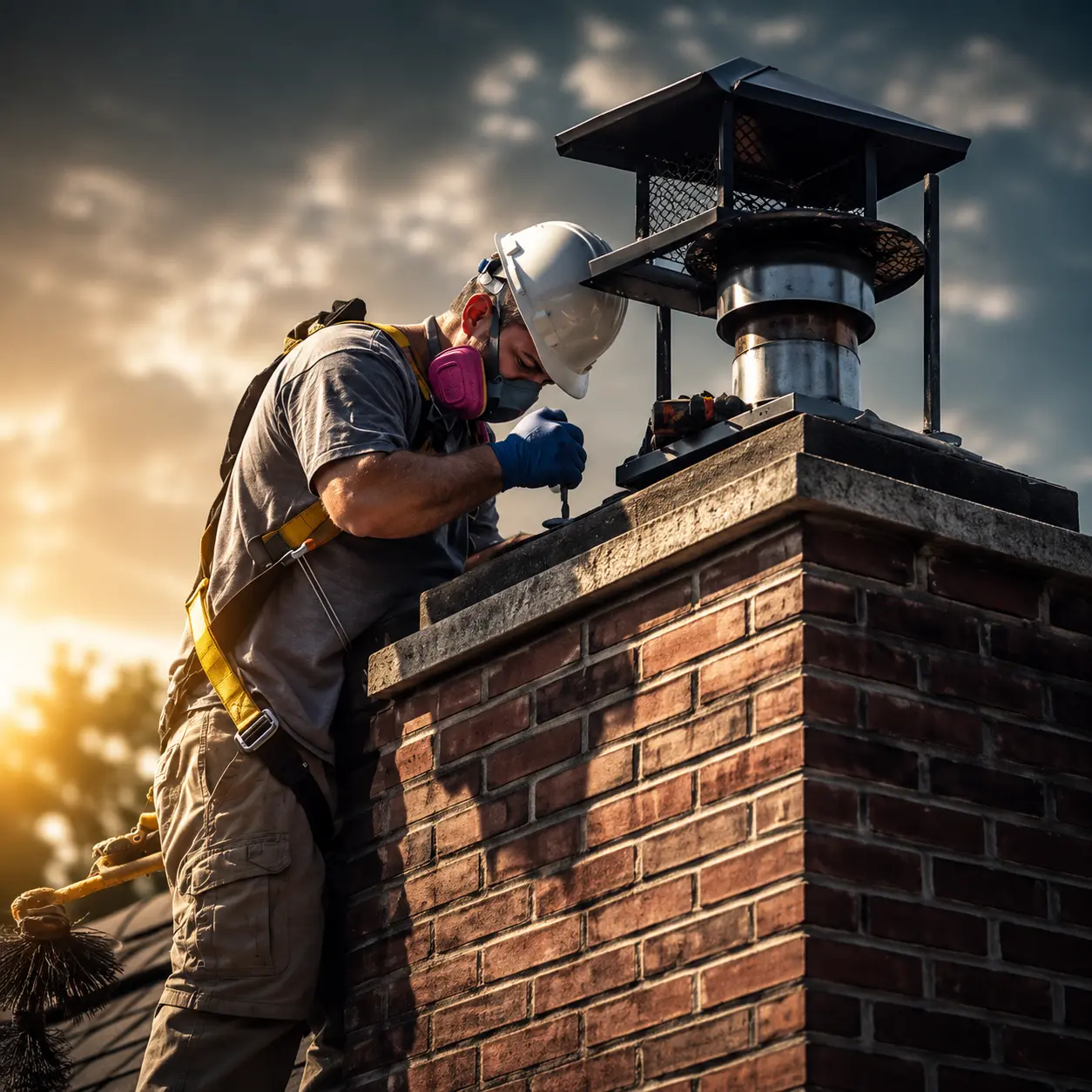
At The Doctors Chimney, we provide professional chimney cap installation and replacement to help protect your chimney and reduce the risk of moisture damage, blockages, and animal entry.
If your chimney doesn’t have a cap, your existing cap is damaged, or you keep finding signs of animals or debris inside the chimney, it’s time to have the chimney evaluated.





What Is a Chimney Cap?
A chimney cap is a protective cover installed at the top of a chimney.
It typically covers the chimney opening while leaving the flue outlet open so smoke and combustion gases can escape.
Depending on the design, a chimney cap may help protect against:
- Rain and snow
- Leaves and twigs
- Birds and wildlife
- Nesting materials
- Wind-driven debris
- Moisture entering the chimney
- Some wind-related downdrafts
The Chimney Safety Institute of America recommends chimney caps as an important way to help keep rain, animals, and debris out of the chimney.
Why Is Chimney Cap Installation Important?
Your chimney is exposed to the weather every day.
Without adequate protection at the top, rain and snow can enter directly into the chimney system.
Over time, moisture can contribute to deterioration of brick, mortar, metal components, and other parts of the chimney.
A properly installed chimney cap provides an additional layer of protection.
Protects Against Rain and Snow
A chimney opening without an appropriate cap gives precipitation direct access to the chimney.
Keeping excess water out can help reduce moisture exposure and the deterioration associated with prolonged water penetration.
Helps Keep Animals Out
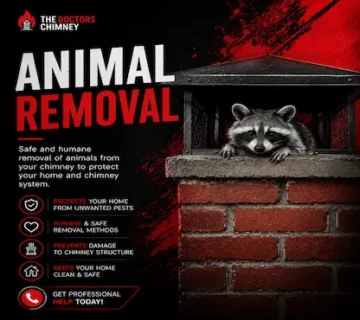
Birds, squirrels, raccoons, and other wildlife can enter an open chimney.
Once inside, they may build nests, become trapped, or leave debris behind.
A properly screened chimney cap can help prevent wildlife from entering through the chimney opening.
Keeps Debris Out
Leaves, twigs, and other debris can enter an uncapped chimney.
Accumulated debris can contribute to blockages and may create additional chimney maintenance concerns.
Helps Protect the Chimney From Moisture Damage
Water is one of the major causes of chimney deterioration.
A chimney cap helps reduce direct water entry from the top, although other components such as the crown and flashing also need to be maintained.
Helps Reduce Certain Downdraft Problems
Wind can sometimes create downdrafts that affect fireplace performance.
The design and placement of the chimney termination can influence airflow, so the appropriate cap should be selected for the chimney rather than treating every cap as interchangeable.
Does Your Chimney Need a Cap?
If your chimney has no cap, it should be evaluated to determine whether an appropriate cap can be installed.
A chimney cap may also need attention if your current one is:
- Rusted
- Bent
- Cracked
- Loose
- Missing screening
- Corroded
- Improperly fitted
- Damaged by weather
- Allowing animals to enter
- Allowing excessive debris into the chimney
A damaged cap may no longer provide the protection it was designed to provide.
Signs You May Need Chimney Cap Replacement
You don’t always need to climb onto the roof to notice a chimney cap problem.
Some signs include:
Animals Getting Into the Chimney
If you hear birds, squirrels, or other animals inside the chimney, the cap or screening may be missing or damaged.
Nesting Material
Finding twigs, leaves, feathers, or other material inside the fireplace can indicate that wildlife has accessed the chimney.
Water Around the Fireplace
Water stains or moisture around the fireplace or chimney can have several causes, but a missing or damaged chimney cap is one component that should be evaluated.
Visible Rust
Rust or corrosion on a metal chimney cap can indicate that the cap is deteriorating and may eventually need replacement.
Bent or Damaged Cap
Strong weather, falling branches, or age can damage a chimney cap.
Missing Cap
Sometimes the simplest problem is the most obvious: the chimney simply doesn’t have a cap.
Chimney Cap Installation vs. Chimney Cap Replacement
If you don’t currently have a chimney cap, you need chimney cap installation.
If you already have one but it is damaged, corroded, missing parts, or no longer fits correctly, you may need chimney cap replacement.
The existing chimney should be evaluated before selecting a replacement.
A replacement cap needs to fit the chimney and be appropriate for the chimney’s configuration.
Custom Chimney Cap Installation
Not every chimney is the same.
Chimneys can have different:
- Flue sizes
- Number of flues
- Masonry dimensions
- Termination designs
- Roof configurations
- Existing crown conditions
For this reason, a chimney cap should be selected based on the actual chimney rather than simply choosing a generic size.
A properly fitted cap should provide protection without restricting the flue or interfering with the chimney’s operation.
CSIA inspection guidance specifically calls for chimney caps and rain caps to be checked for obstruction or restriction.
Chimney Cap Materials
Chimney caps are available in different materials and finishes.
The appropriate choice depends on the chimney, desired appearance, environmental exposure, and installation requirements.
Stainless Steel Chimney Caps
Stainless steel is commonly used for chimney caps because of its durability and resistance to corrosion.
It can be a practical choice for homeowners looking for a long-lasting cap with a relatively low-maintenance finish.
Copper Chimney Caps
Copper chimney caps can provide both protection and a distinctive architectural appearance.
Over time, copper naturally changes in color as it weathers.
Other Chimney Cap Options
The right material and design depend on the specific chimney.
The most important factors are proper fit, appropriate construction, durability, and compatibility with the chimney system.
Chimney Caps for Multiple Flues
Some chimneys have more than one flue.
A multi-flue chimney may require a cap designed specifically to accommodate the number and arrangement of flues.
The cap should protect the chimney while maintaining appropriate clearance around the flue outlets.
An incorrectly designed cap can interfere with ventilation, so proper measurement and installation are important.
Chimney Cap With Animal Screening
If wildlife has previously entered your chimney, screening is especially important.
Birds and animals can enter through relatively small openings and may build nests inside the flue.
A properly designed chimney cap with appropriate screening can help prevent future entry.
This is particularly relevant if you’ve recently needed chimney animal removal.
Removing the animal solves the immediate problem.
Securing the chimney opening helps address the reason the animal was able to enter in the first place.
Chimney Cap and Water Damage
A chimney cap is an important part of chimney moisture protection, but it is not the only one.
If you’re experiencing a chimney leak, the entire exterior chimney system should be evaluated.
Potential sources include:
- Missing or damaged chimney cap
- Cracked chimney crown
- Deteriorated mortar
- Porous masonry
- Damaged flashing
- Open masonry joints
The Chimney Safety Institute of America identifies chimney caps, crown maintenance, flashing repair, and appropriate waterproofing as important measures for reducing water-related chimney damage.
Can a Chimney Cap Stop a Chimney Leak?
Sometimes a missing or damaged cap can contribute to water entering from the top of the chimney.
But a chimney leak doesn’t always come from the cap.
If water is entering through cracked masonry, a damaged crown, or defective flashing, replacing the cap alone will not fix the underlying problem.
That’s why a professional inspection is important when you have an active chimney leak.
Chimney Cap and Chimney Waterproofing
These services protect the chimney in different ways.
Chimney cap installation helps protect the top opening from rain, snow, animals, and debris.
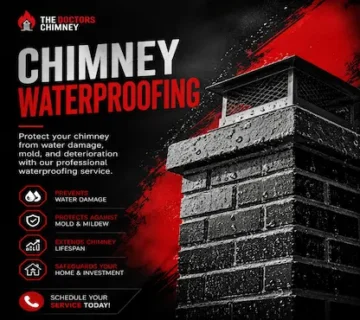
Chimney waterproofing helps reduce water penetration through appropriate exterior masonry.
Depending on the condition of your chimney, you may need one service or both.
Chimney Cap and Chimney Crown
The chimney cap and chimney crown are different components.
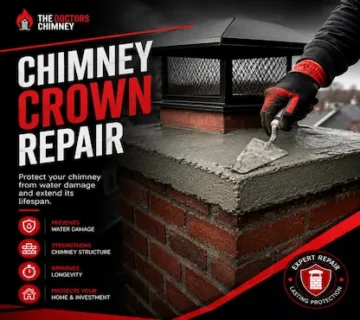
The crown is the masonry or concrete structure at the top of the chimney that helps direct water away from the chimney.
The cap sits over the chimney opening and helps protect the flue from rain, animals, and debris.
If the crown is cracked or deteriorated, it may require chimney crown repair even if the cap itself is in good condition.
Chimney Cap Installation After Animal Removal
If an animal has entered your chimney, installing a properly fitted cap can help prevent the same problem from happening again.
Before installing the cap, the chimney should be evaluated to make sure:
- The animal is no longer inside
- Nesting material has been addressed where appropriate
- The flue is not obstructed
- The existing chimney cap or opening is evaluated
- Any damage is identified
A chimney cap should be installed only after the chimney is in an appropriate condition for normal use.
Chimney Cap Installation Process
Professional chimney cap installation starts with understanding the chimney rather than simply placing a cap over the opening.
1. Inspect the Chimney
The chimney and its termination are evaluated for existing damage, animal entry, debris, and other issues.
2. Measure the Chimney
The dimensions of the chimney and flue configuration are evaluated to determine the appropriate cap size and design.
3. Select the Appropriate Cap
The cap material, size, screening, and configuration are selected according to the chimney.
4. Prepare the Installation Area
Any existing damaged or unsuitable components are addressed as necessary.
5. Install the Chimney Cap
The cap is securely installed and positioned so that it protects the chimney without restricting the flue.
6. Final Check
The completed installation is checked to ensure the cap is secure and that the chimney termination remains unobstructed.
How Long Does a Chimney Cap Last?
The lifespan of a chimney cap depends on its material, quality, installation, weather exposure, and maintenance.
Stainless steel and copper caps can provide long-term protection, but even durable materials can eventually develop corrosion, damage, or loose connections.
Regular chimney inspections can help identify problems before the cap fails completely.
When Should You Replace a Chimney Cap?
Consider having your chimney cap evaluated if it is:
- Rusting or corroding
- Bent
- Cracked
- Loose
- Missing screening
- Damaged by a storm
- Allowing animals into the chimney
- Allowing excessive water or debris into the chimney
A damaged cap doesn’t necessarily need immediate replacement in every situation, but it should be evaluated to determine whether repair or replacement is appropriate.
Can a Chimney Cap Improve Fireplace Performance?
A properly selected chimney cap can help reduce certain wind-related downdraft conditions.
However, chimney performance depends on many factors, including:
- Chimney height
- Flue size
- Appliance design
- Home pressure
- Weather
- Chimney configuration
- Obstructions
- Venting design
A chimney cap should not be marketed as a guaranteed solution for every draft problem.
If your fireplace has persistent draft issues, a chimney inspection can help identify the actual cause.
Why Choose The Doctors Chimney for Chimney Cap Installation?
A chimney cap may look like a simple component, but proper sizing and installation matter.
At The Doctors Chimney, we evaluate the chimney and help determine the appropriate cap for the system.
Professional Installation
We install chimney caps securely and with attention to the existing chimney configuration.
Proper Fit
A properly fitted cap provides better protection than a generic cap that does not match the chimney.
Durable Options
Depending on your chimney and preferences, different materials and styles may be available.
Protection From Wildlife and Debris
A properly screened cap can help prevent animals, birds, leaves, and other debris from entering the chimney.
Complete Chimney Care
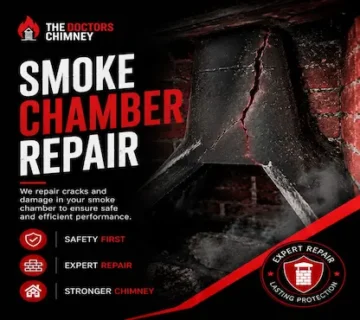
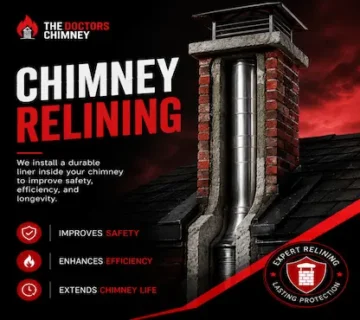
If the inspection identifies other problems, The Doctors Chimney also provides services including chimney inspection, sweeping, masonry repair, waterproofing, relining, smoke chamber repair, crown repair, and animal removal.
Chimney Cap Installation Near You
If you’re searching for chimney cap installation near me, you may be dealing with a missing cap, damaged cap, animal entry, water intrusion, or simply an unprotected chimney.
The right solution starts with evaluating the chimney and determining which type of cap is appropriate.
The Doctors Chimney can inspect your chimney and help you choose the right protection for your home.
Frequently Asked Questions About Chimney Caps
Many chimney caps use screening to help keep animals and debris out. The appropriate screening and design depend on the chimney and local requirements.
A properly designed cap may help reduce certain wind-induced downdrafts, but it cannot correct every cause of poor chimney draft.
The chimney crown is the structure at the top of the chimney that helps shed water. The chimney cap covers the chimney opening and helps keep rain, animals, and debris out.
It's better to evaluate the chimney first, particularly if the existing cap is damaged, there has been animal entry, or you're experiencing water problems.
The lifespan depends on the material, installation, weather exposure, and maintenance.
Protect Your Chimney From the Top Down
Your chimney is exposed to rain, snow, wind, wildlife, and debris every day.
A properly installed chimney cap provides an important layer of protection at the top of the chimney and can help prevent problems before they become expensive repairs.
If your chimney doesn’t have a cap, your existing cap is damaged, or you’ve noticed animals, debris, or water around your chimney, have it professionally evaluated.
Protect Your Chimney Before the Damage Starts.
[BOOK YOUR CHIMNEY INSPECTION]
The Doctors Chimney — Professional Chimney Care You Can Trust.

No comment