Premium Chimney Solutions
Chimney Inspection
A professional chimney inspection helps evaluate the condition of your chimney and venting system and determine whether it is suitable for continued use.
At The Doctors Chimney, we provide professional chimney inspections to help homeowners identify potential problems, understand the condition of their chimney, and determine whether cleaning, repair, or additional evaluation is needed.

What Is a Chimney Inspection?
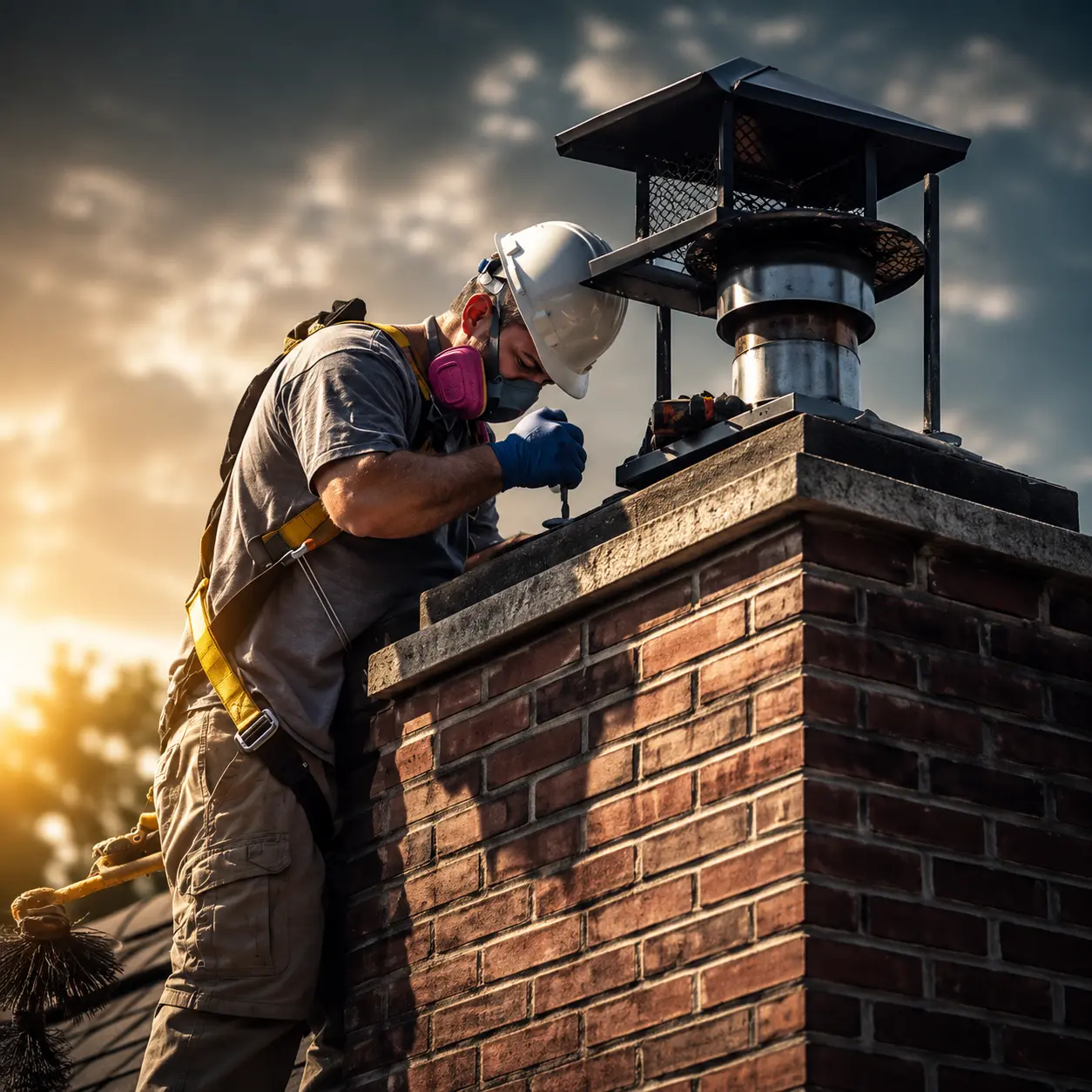
A chimney inspection is a professional evaluation of the chimney, fireplace, venting system, and accessible components to identify conditions that may affect the system’s safety, condition, or ability to operate as intended.
Depending on the circumstances, an inspection may evaluate:
- Chimney structure
- Flue and liner
- Fireplace
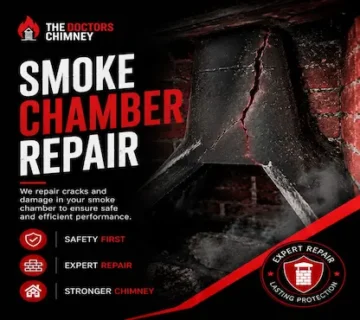
- Smoke chamber
- Chimney cap
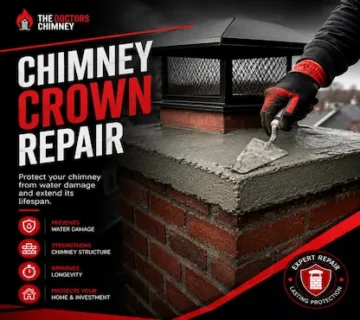
- Chimney crown
- Flashing
- Accessible attic and crawl-space areas
- Connections between the appliance and chimney
- Signs of water damage
- Blockages and obstructions
- Combustible deposits such as creosote
- Evidence of animal entry
- Visible masonry deterioration
The scope of the inspection depends on the condition and use of the chimney.
Why Is Chimney Inspection Important?
A chimney is more than the visible brick structure outside your home.
It is part of a complete venting system that must work properly with your fireplace, stove, furnace, or other connected appliance.
Problems can develop in areas that are difficult to see without the appropriate inspection.
A professional inspection can help identify:
- Structural deterioration
- Flue damage
- Blockages
- Creosote buildup
- Water intrusion
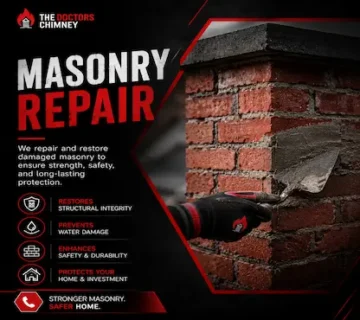
- Damaged masonry
- Improper clearances
- Animal nests
- Damaged chimney components
- Conditions requiring repair or sweeping
CSIA guidance explains that a Level 1 inspection is intended to determine whether the system is free of obstructions and capable of continued use as-is, while more comprehensive inspection levels are used when conditions require additional evaluation.
Signs You Need a Chimney Inspection
You don’t have to wait until something goes seriously wrong to inspect your chimney.
Consider scheduling an inspection if you notice:
Cracked or Damaged Masonry
Cracks, loose bricks, deteriorated mortar, or spalling can indicate chimney deterioration.
Water Around the Chimney or Fireplace
Water stains may indicate problems with the chimney cap, crown, flashing, masonry, or another component.
Smoke Entering Your Home
Smoke coming into the room instead of properly exiting through the chimney should be professionally evaluated.
Unusual Fireplace Odors
Strong or unusual odors may be associated with creosote, moisture, debris, or animals.
Animal Activity
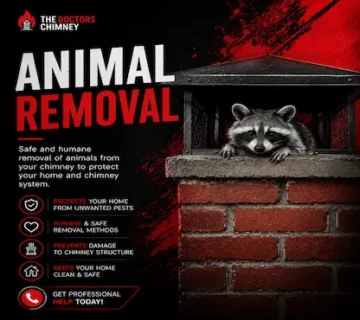
Birds, squirrels, raccoons, or other wildlife entering the chimney can leave behind nests, debris, and potential blockages.
Damaged Chimney Cap
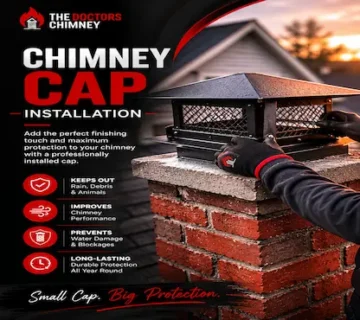
A missing, loose, rusted, or damaged cap can expose the chimney to rain, debris, and wildlife.
You Haven’t Used the Fireplace in Years
A chimney can deteriorate or become obstructed even when it isn’t being used regularly.
You’re Buying or Selling a Home
A chimney inspection can provide valuable information about the condition of the chimney and fireplace system during a property transaction.
You’re Changing the Fireplace or Heating Appliance
Changing the appliance or fuel type can change the requirements for the venting system and may require a more comprehensive inspection.
After a Chimney Fire
A chimney that may have experienced a chimney fire should be inspected before it is used again.
When Should You Have Your Chimney Inspected?
There isn’t one situation where chimney inspection is appropriate.
A chimney may need inspection:
- During routine annual maintenance
- Before using a fireplace regularly
- Before buying a home
- Before selling a home
- After a chimney fire
- After a significant weather event
- After an earthquake or other event that could damage the chimney
- When changing or replacing a heating appliance
- When changing fuel types
- When you notice a chimney or fireplace problem
- When you’re planning to reline the chimney
CSIA homeowner guidance follows NFPA 211’s recommendation that chimneys, fireplaces, and vents be inspected at least once a year for soundness, deposits, and proper clearances, with cleaning, maintenance, or repairs performed when necessary.
How Often Should a Chimney Be Inspected?
For many homeowners, an annual inspection is an important part of chimney maintenance.
However, the appropriate inspection level and frequency depend on the chimney, appliance, fuel type, usage, condition, and whether anything has changed.
An inspection may also be necessary outside the normal maintenance schedule if:
- The chimney has been damaged
- The fireplace isn’t operating normally
- The appliance has been replaced
- The fuel type has changed
- The property has changed ownership
- There has been a chimney or building fire
- A severe weather event may have caused damage
Regular inspection is not only about finding existing problems. It can also help identify developing issues before they require more extensive repairs.
What Are the Different Levels of Chimney Inspection?
Professional chimney inspections are generally categorized into Level 1, Level 2, and Level 3.
The appropriate level depends on the condition and circumstances of the chimney.
Level 1 Chimney Inspection
A Level 1 chimney inspection is generally appropriate when the chimney and appliance are being used as they were originally intended and there have been no significant changes to the system.
This is commonly the level associated with routine annual chimney inspections.
A Level 1 inspection focuses on readily accessible portions of the chimney, fireplace, appliance, and connections.
The inspection should determine whether:
- The system is free of significant obstructions
- The chimney is suitable for continued use
- Accessible components appear to be in appropriate condition
- There are visible combustible deposits
- There are visible signs of damage or deterioration
CSIA’s Level 1 guidance describes this inspection as appropriate when “nothing is changing” with the existing system.
Level 2 Chimney Inspection
A Level 2 chimney inspection provides a more comprehensive evaluation than Level 1.
It is generally appropriate when there has been a change in the system or circumstances that could affect the chimney.
Examples include:
- Buying or selling a property
- Installing a new appliance
- Replacing an appliance with a different type
- Changing fuel type
- Changing the venting system
- After a chimney or building fire
- After certain weather or seismic events
- After an operating malfunction
- When a Level 1 inspection cannot adequately determine the condition of the system
- Before or when planning certain chimney relining work
A Level 2 inspection includes the Level 1 scope plus accessible areas such as attics, crawl spaces, and basements when applicable.
It may also include an interior video inspection of the chimney.
CSIA guidance specifically identifies video scanning as a required component of Level 2 inspection procedures when applicable.
Level 3 Chimney Inspection
A Level 3 chimney inspection is used when a Level 1 or Level 2 inspection indicates a potential hidden hazard that cannot be evaluated without accessing concealed areas.
This is the most comprehensive inspection level.
It may involve accessing concealed portions of the chimney or building where necessary to investigate a suspected problem.
Level 3 inspections are generally associated with situations involving suspected hidden damage or hazards that cannot be evaluated through less invasive inspection methods.
Not every chimney requires a Level 3 inspection.
The need for this level should be determined based on the findings of the inspection and the circumstances of the chimney.
Chimney Inspection vs. Chimney Sweeping
These are two different services.
A chimney inspection evaluates the condition of the chimney and venting system.
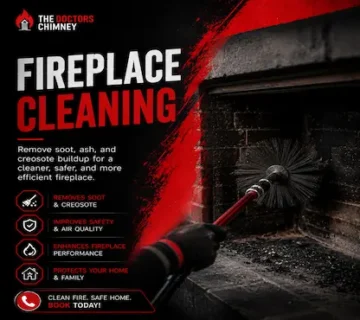
Chimney sweeping removes accumulated deposits such as soot and creosote from the chimney and flue.
A chimney can need an inspection, sweeping, or both.
In fact, CSIA guidance explains that a Level 1 inspection is commonly associated with routine chimney sweeping and annual inspection, and that a complete chimney sweeping involves the chimney flue and smoke chamber—not simply cleaning the visible fireplace.
What Does a Chimney Inspection Look For?
During an inspection, the chimney professional may evaluate accessible components and look for conditions such as:
Creosote and Combustible Deposits
Accumulated deposits inside the chimney can require cleaning.
Blockages
Leaves, animal nests, debris, or other obstructions can restrict the chimney.
Flue Damage
Cracked or damaged flue components can require further evaluation or repair.
Masonry Damage
The exterior chimney may show cracked bricks, deteriorated mortar, spalling, or loose masonry.
Water Damage
Water intrusion may be associated with the cap, crown, flashing, masonry, or other components.
Improper Clearances
The inspection may identify conditions where combustible materials are too close to components that require appropriate clearance.
Chimney Cap Problems
A missing or damaged cap can leave the chimney exposed to weather, debris, and animals.
Smoke Chamber Problems
The smoke chamber may show deterioration or other conditions requiring repair.
Structural Problems
Leaning, significant cracking, loose masonry, or other visible structural concerns may require additional evaluation.
Does a Chimney Inspection Include a Camera?
Not every chimney inspection automatically requires a camera.
The inspection level and condition of the chimney determine whether an interior video scan is appropriate.
A Level 2 inspection includes an internal video inspection as part of the standard procedure when the chimney configuration permits it.
Video inspection can be especially useful for evaluating portions of the chimney that cannot be adequately assessed through a basic visual inspection.
Chimney Video Inspection
A chimney video inspection uses a specialized camera to examine the interior of the chimney and flue.
It can help identify conditions such as:
- Cracks
- Damaged flue components
- Gaps
- Obstructions
- Deterioration
- Certain installation issues
- Areas that cannot be adequately evaluated visually
Video inspection can provide a clearer picture of the chimney’s interior condition and can be particularly important when a Level 2 inspection is required.
Chimney Inspection for Home Buyers
Buying a home is one of the most important reasons to have a chimney professionally inspected.
A fireplace may look beautiful while the chimney has hidden problems.
Before purchasing a home, an inspection can help identify potential issues involving:
- Masonry
- Flue liner
- Chimney cap
- Crown
- Flashing
- Water intrusion
- Creosote
- Blockages
- Structural deterioration
A chimney inspection can help you understand the condition of the system before you complete the purchase.
Chimney Inspection Before Selling Your Home
A chimney inspection can also be useful before listing a home for sale.
Identifying chimney problems in advance can give homeowners an opportunity to address necessary repairs before a buyer’s inspection.
It may also help reduce unexpected surprises during the transaction.
Chimney Inspection After a Chimney Fire
If you believe a chimney fire has occurred, stop using the fireplace until the chimney has been properly evaluated.
A chimney fire can damage components that are not visible from inside the fireplace.
Potential damage may include:
- Cracked flue liners
- Damaged masonry
- Deteriorated mortar
- Damaged chimney components
- Structural problems
CSIA recommends professional evaluation after a suspected chimney fire before returning the chimney to service.
Chimney Inspection After a Storm
Severe weather can damage chimney components.
Strong winds, falling branches, heavy rain, hail, or other events can affect:
- Chimney caps
- Masonry
- Crowns
- Flashing
- Roof-to-chimney connections
If you notice new damage after a severe storm, a chimney inspection can help determine whether the chimney has been affected.
Chimney Inspection After an Earthquake
An earthquake or significant seismic event can potentially affect the structural integrity of a chimney.
CSIA recommends a more comprehensive evaluation when an earthquake or similar event may have caused chimney damage, particularly before returning the system to normal use.
Chimney Inspection Before Installing a New Fireplace
If you’re planning to install a new fireplace, wood stove, insert, furnace, or other appliance that connects to the chimney, the existing chimney should be evaluated first.
The new appliance may have different venting requirements than the existing system.
A Level 2 inspection is commonly associated with changes to appliances or fuel types because the chimney must be evaluated for compatibility with the changed system.
Chimney Inspection Before Relining
If you’re considering chimney relining, the existing chimney should be properly evaluated before the work begins.
A more comprehensive inspection may be appropriate when the chimney’s condition or planned use requires it.
CSIA guidance specifically identifies planned chimney relining as one circumstance where a Level 2 inspection may be appropriate.
What Happens During a Chimney Inspection?
A professional inspection generally follows a structured process.
1. Discuss the Chimney’s History
The technician may ask about:
- Fireplace usage
- Fuel type
- Previous repairs
- Previous chimney fires
- Recent changes
- Smoke or draft problems
- Water leaks
- Animal activity
2. Determine the Appropriate Inspection Level
The circumstances determine whether a Level 1, Level 2, or Level 3 inspection is appropriate.
3. Inspect Accessible Components
The technician evaluates the accessible portions of the fireplace, chimney, appliance, and venting system.
4. Inspect the Exterior
The exterior chimney, crown, cap, masonry, and other accessible components are evaluated.
5. Evaluate the Interior
Depending on the inspection level, the interior of the chimney and flue may be evaluated visually or with specialized video equipment.
6. Identify Problems
The technician documents visible or discovered issues that may require cleaning, repair, replacement, or further investigation.
7. Explain the Findings
You should receive a clear explanation of what was found and what, if anything, needs to happen next.
What Happens After a Chimney Inspection?
An inspection doesn’t automatically mean you need repairs.
Depending on the findings, the recommendation may be:
No immediate repair needed
The chimney appears suitable for continued use under the conditions evaluated.
Chimney sweeping
The chimney contains deposits that require cleaning.
Minor repair
A localized issue such as damaged mortar, a chimney cap, or flashing may need attention.
Major repair
The chimney may require masonry restoration, relining, crown repair, smoke chamber repair, or another specialized service.
Further investigation
Additional inspection may be necessary when a potential hidden problem cannot be evaluated through the current inspection level.
How Much Does a Chimney Inspection Cost?
The cost of a chimney inspection depends on the inspection level and the complexity of the chimney.
Factors that can affect the cost include:
- Inspection level
- Chimney height
- Number of flues
- Accessibility
- Chimney configuration
- Need for video inspection
- Additional areas requiring evaluation
A basic inspection and a comprehensive Level 2 or Level 3 inspection are not the same service, so pricing should reflect the actual scope of work.
How Long Does a Chimney Inspection Take?
The time required depends on the size and configuration of the chimney and the level of inspection needed.
A straightforward inspection may take less time than a Level 2 inspection involving roof access, attic or crawl-space evaluation, multiple flues, or video scanning.
The technician can explain the expected scope based on your chimney.
Do I Need to Clean My Chimney Before an Inspection?
No.In many situations, the inspection itself can determine whether cleaning is needed.
If significant deposits or obstructions are found, sweeping may be recommended.
CSIA guidance notes that inspection includes determining the cleanliness of the venting system and whether sweeping is necessary.
Can a Chimney Inspection Find a Leak?
An inspection can identify visible signs and potential sources of water intrusion.
Possible sources include:
- Chimney cap
- Chimney crown
- Masonry
- Flashing
- Roof-to-chimney connection
However, identifying the exact source of an active water leak can sometimes require additional investigation.
Can a Chimney Inspection Find a Blockage?
Yes,One objective of a chimney inspection is to determine whether the chimney is free from obstructions.
Potential blockages include:
- Animal nests
- Leaves
- Debris
- Fallen masonry
- Creosote deposits
- Other foreign material
If a blockage is discovered, the appropriate cleaning or removal service can be recommended.
Why Choose The Doctors Chimney?
A chimney inspection should provide more than a quick look at the fireplace.
At The Doctors Chimney, we focus on evaluating the chimney system and identifying conditions that may require attention.
Thorough Evaluation
We look at accessible chimney and fireplace components rather than focusing on one visible area.
Appropriate Inspection Level
The inspection should match the circumstances and condition of the chimney.
Clear Findings
We explain what was found and what the next step should be.
If the inspection identifies a problem, The Doctors Chimney can help with services including chimney repair, masonry repair, crown repair, waterproofing, chimney relining, smoke chamber repair, chimney cap installation, and chimney sweeping.
Professional Chimney Care
Our goal is to help you understand the actual condition of your chimney so you can make informed decisions about maintenance and repair.
Chimney Inspection Near You
If you’re searching for chimney inspection near me, chimney inspection services, or a professional chimney inspection, The Doctors Chimney can help evaluate your chimney and fireplace system.
Whether you’re preparing for the heating season, buying or selling a home, changing your fireplace, dealing with a chimney problem, or simply want to understand the condition of your chimney, an inspection is the right place to start.
Frequently Asked Questions About Chimney Inspection
An inspection can identify visible and accessible signs of structural deterioration. If a hidden problem is suspected, a more comprehensive inspection may be necessary.
The cost depends on the inspection level, chimney configuration, accessibility, and whether additional procedures such as video inspection are required.
Yes. A chimney can develop blockages, deterioration, or other problems even when it is not used frequently.
Know What's Inside Your Chimney
You don’t have to wait for smoke, water, or structural damage to tell you something is wrong.
A professional chimney inspection can help identify problems that may not be visible from the ground or inside the fireplace.
Whether you’re maintaining an existing fireplace, buying a home, changing your heating appliance, or dealing with a suspected chimney problem, The Doctors Chimney can help you understand the condition of your chimney.
Inspect It. Understand It. Protect It.
[BOOK YOUR CHIMNEY INSPECTION]
The Doctors Chimney — Professional Chimney & Fireplace Care.

No comment