
QUALITY SERVICES
Masonry Repair | Chimney Sweep & Repair
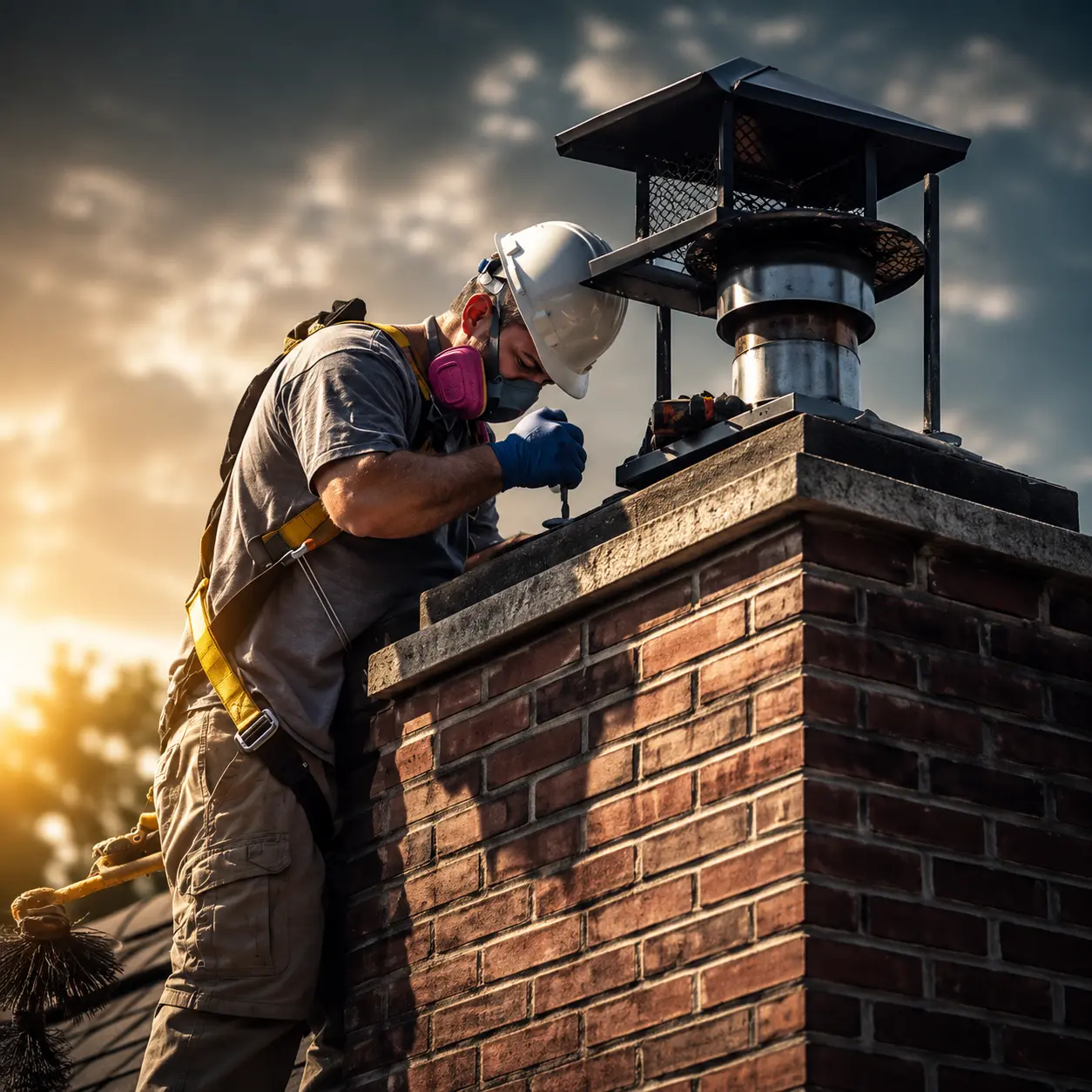
At The Doctors Chimney, we inspect the condition of your chimney and determine whether it needs mortar repair, brick replacement, tuckpointing, spalling repair, crown repair, or a more extensive masonry rebuild.
If you have noticed cracked bricks, crumbling mortar, loose masonry, water damage, or pieces of brick falling from your chimney, don’t wait for the damage to spread.






What Is Chimney Masonry Repair?
Chimney masonry repair is the process of repairing damaged brick, mortar, and other exterior masonry components of a chimney.
Depending on the condition of your chimney, masonry repair may include:
- Brick replacement
- Mortar joint repair
- Tuckpointing
- Repointing
- Spalling brick repair
- Cracked brick repair
- Chimney crown repair
- Partial chimney rebuild
- Masonry restoration
The right repair depends on what is actually damaged.
A chimney with deteriorated mortar may only need repointing, while extensive brick deterioration or structural damage may require brick replacement or rebuilding.
The goal is to repair the underlying problem rather than simply cover up visible damage.
Signs Your Chimney Needs Masonry Repair
Chimney masonry damage can develop gradually.
Some signs are easy to notice from the ground, while others may require a professional inspection.
Look for:
Cracked Bricks
Cracks in chimney bricks can allow moisture to enter the masonry and may indicate deterioration that needs to be evaluated.
Spalling Bricks
If the surface of a brick is flaking, cracking, or breaking away, the brick may be experiencing spalling.
Spalling can be associated with moisture entering the masonry and repeated freeze-thaw exposure. Once brick faces begin to deteriorate, the damage can progress if the underlying moisture problem is not addressed.
Crumbling Mortar
If the mortar between your bricks is powdery, cracked, recessed, or missing, the chimney may need mortar repair or repointing.
Loose Bricks
Loose bricks can indicate deterioration of the surrounding mortar or damage within the masonry structure.
Missing Bricks
Missing bricks leave openings through which water can enter and may compromise the integrity of the chimney.
Pieces of Brick or Mortar Falling Down
If you find brick fragments or chunks of mortar around the base of the chimney, the chimney should be inspected.
Leaning Chimney
A chimney that appears to be leaning may indicate a more significant structural problem and should be professionally evaluated.
Water Damage
Water stains, efflorescence, spalling, deteriorated mortar, and other signs of moisture can indicate that the chimney masonry is absorbing water.
Common Chimney Masonry Problems
Damaged Mortar Joints
Mortar joints are exposed to weather just like the bricks.
Over time, moisture and repeated temperature changes can cause mortar to deteriorate.
When the mortar is no longer protecting the joints properly, water can penetrate deeper into the chimney.
Repointing or tuckpointing may be appropriate when the bricks themselves remain structurally sound.
Spalling Brick
Chimney brick spalling occurs when the outer surface of the brick begins to flake, crack, or break away.
Spalling is often associated with moisture entering porous masonry and repeated freeze-thaw cycles.
The appropriate repair depends on how extensively the bricks have deteriorated.
Localized damage may be addressed with individual brick replacement, while widespread deterioration may require more extensive masonry work.
Cracked Chimney Bricks
Cracked bricks should not automatically be considered a cosmetic issue.
The location, size, and cause of the crack matter.
A professional inspection can determine whether the brick needs replacement or whether the crack is related to a larger masonry or structural problem.
Deteriorated Mortar
When mortar begins to crumble or disappear from the joints, the surrounding bricks can become more vulnerable to movement and moisture penetration.
Replacing deteriorated mortar can help restore the masonry joints when the bricks themselves remain in good condition.
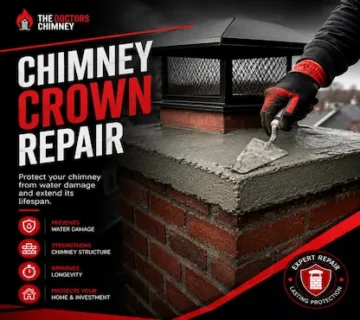
Damaged Chimney Crown
The chimney crown is located at the top of the chimney and helps direct water away from the masonry.
Cracks or deterioration in the crown can allow water to enter the chimney structure and contribute to masonry damage.
If the crown is the source of the problem, chimney crown repair may be necessary in addition to masonry work.
Chimney Tuckpointing
Chimney tuckpointing is a common masonry repair technique used to restore deteriorated mortar joints.
The damaged mortar is removed from the affected joints and replaced with new mortar.
Tuckpointing is often confused with repointing. The terminology can vary between contractors and regions, but both terms are commonly associated with repairing deteriorated mortar joints.
The important part is not the name of the service.
It’s making sure the damaged mortar is properly removed and replaced with an appropriate mortar for the existing masonry.
Chimney Repointing
Chimney repointing involves removing deteriorated mortar from the joints between bricks and installing new mortar.
Repointing may be appropriate when:
- Mortar joints are deteriorated
- Mortar is missing
- Joints are deeply recessed
- Bricks remain generally sound
- Moisture is entering through failed joints
Repointing does not replace severely damaged bricks.
If the bricks themselves are cracked, spalling, or missing, brick replacement may also be required.
Chimney Brick Replacement
When individual bricks are damaged beyond repair, chimney brick replacement may be the appropriate solution.
Damaged bricks can be carefully removed and replaced with suitable masonry materials.
When possible, matching the existing brick in size, color, texture, and appearance helps preserve the look of the chimney.
Brick replacement may be appropriate for:
- Cracked bricks
- Spalled bricks
- Severely deteriorated bricks
- Missing bricks
- Loose bricks
The number and location of damaged bricks determine whether individual replacement is sufficient or whether a larger section needs to be rebuilt.
Chimney Spalling Repair
If the surface of your chimney bricks is flaking or breaking apart, you may be dealing with spalling brick.
Spalling is important to address because damaged brick surfaces can expose more of the masonry to moisture.
A proper repair should consider both:
The damaged brick
and
The source of moisture contributing to the deterioration.
Depending on the condition, repair may involve brick replacement, mortar repair, crown repair, waterproofing, or a combination of services.
Chimney Masonry Repair After Water Damage
Water is one of the most common contributors to exterior chimney deterioration.
Because chimneys are exposed to weather, moisture can enter through:
- Porous bricks
- Deteriorated mortar
- Cracked crowns
- Open joints
- Damaged flashing
- Other exterior openings
Once moisture enters the masonry, repeated wetting, drying, freezing, and thawing can contribute to deterioration.
That’s why repairing the visible brick or mortar without identifying the moisture source may not solve the entire problem.
In some cases, chimney waterproofing can be used as part of a preventive maintenance strategy after necessary repairs are completed.
Chimney Masonry Repair vs. Chimney Rebuild
One of the most important questions homeowners ask is:
“Does my chimney need repair or a complete rebuild?”
Not every damaged chimney needs to be rebuilt.
If the overall structure remains sound and the damage is localized, targeted repairs may be enough.
These may include:
- Repointing
- Tuckpointing
- Brick replacement
- Crown repair
A partial or full chimney rebuild may be considered when masonry deterioration is extensive or when the structural integrity of the chimney has been compromised.
The appropriate scope should be determined after inspecting the actual condition of the chimney.
Partial Chimney Rebuild
A partial chimney rebuild may be appropriate when damage is concentrated in a specific section.
For example, the upper portion of a chimney above the roofline may have extensive deterioration while the lower masonry remains in acceptable condition.
In that situation, rebuilding only the damaged section may be possible.
The exact scope depends on the structural condition of the chimney.
Full Chimney Rebuild
A full chimney rebuild may be necessary when masonry deterioration extends through a significant portion of the chimney or when the structure is no longer stable.
A chimney that is severely deteriorated, leaning, or structurally compromised requires a more extensive evaluation.
A professional inspection can determine whether repairs are sufficient or whether rebuilding is necessary.
Why Chimney Mortar Matters
Not all mortar is appropriate for every masonry chimney.
The mortar should be compatible with the existing brick and masonry.
Using an inappropriate mortar can create additional stress on older or softer bricks.
This is particularly important when repairing older chimneys where the original brick and mortar may have different characteristics from modern masonry materials.
The repair should therefore be based on the existing chimney rather than using the same mortar mixture for every project.
Chimney Masonry Repair for Older Homes
Older homes often have masonry chimneys that have experienced decades of weather exposure.
You may find:
- Original brickwork
- Aging mortar
- Previous repairs
- Cracked bricks
- Spalling
- Deteriorated crowns
- Water damage
- Multiple layers of previous masonry work
Older masonry may require additional care when selecting replacement brick and mortar.
The goal is not simply to make the chimney look new.
The repair should be appropriate for the existing structure.
Does a Cracked Chimney Mean It Needs to Be Rebuilt?
Not necessarily.
A crack may be localized and repairable, or it may be a sign of a larger structural issue.
The location, size, pattern, and cause of the crack all matter.
That’s why it’s better to have the chimney inspected rather than assuming that every crack requires a complete rebuild.
Can Damaged Chimney Bricks Be Repaired?
Some masonry damage can be repaired without replacing the entire chimney.
If the damage is limited to individual bricks or mortar joints, targeted masonry repair may be possible.
However, severely spalled or structurally compromised bricks may need to be replaced.
A professional assessment can determine which approach makes sense for your chimney.
How Does Chimney Masonry Repair Work?
Every chimney is different, but the process generally begins with understanding the extent of the damage.
1. Chimney Inspection
The exterior masonry is inspected for cracks, deterioration, loose bricks, damaged mortar, spalling, water damage, and other problems.
2. Identify the Cause
The visible damage may be caused by moisture, age, weather exposure, structural movement, a damaged crown, flashing problems, or another issue.
3. Determine the Repair Scope
The repair plan may involve mortar repair, brick replacement, crown repair, waterproofing, or rebuilding a section of the chimney.
4. Remove Damaged Materials
Loose or deteriorated masonry materials are carefully removed from the areas being repaired.
5. Complete the Masonry Repair
Appropriate brick and mortar materials are used to restore the affected area.
6. Address Moisture Sources
If water contributed to the damage, related problems such as crown deterioration, flashing issues, or excessive masonry moisture should also be evaluated.
7. Final Inspection
The completed work is checked to make sure the repaired area is properly restored.
How Long Does Chimney Masonry Repair Take?
A small number of damaged mortar joints or individual bricks may require significantly less work than a chimney with widespread spalling or structural deterioration.
Factors that can affect the project include:
- Chimney height
- Extent of damage
- Roof access
- Number of bricks requiring replacement
- Amount of mortar repair
- Weather conditions
- Whether scaffolding or additional access equipment is required
- Whether a partial rebuild is necessary
A professional inspection is the best way to determine the expected scope of work.
How Much Does Chimney Masonry Repair Cost?
There is no single price for chimney masonry repair.
The cost depends on:
- Type of repair
- Chimney size and height
- Number of damaged bricks
- Condition of mortar
- Extent of spalling
- Accessibility
- Materials required
- Whether crown or flashing repairs are needed
- Whether part of the chimney needs to be rebuilt
A chimney requiring a few brick replacements is very different from a chimney requiring a partial rebuild.
The most accurate estimate comes after evaluating the actual condition of the chimney.
Is Chimney Masonry Repair Worth It?
Repairing masonry early can help prevent a localized problem from developing into more extensive deterioration.
For example, repairing deteriorated mortar and addressing moisture problems may help protect otherwise sound masonry.
On the other hand, delaying repairs while bricks continue to spall or mortar continues to deteriorate can increase the amount of work eventually required.
If you notice signs of masonry damage, an inspection can help you understand the severity before deciding what needs to be done.
Chimney Masonry Repair and Waterproofing
These two services can work together, but they are not the same thing.
Masonry repair addresses existing damage.
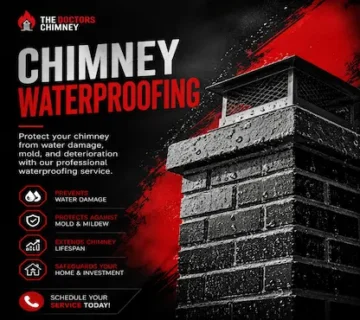
Chimney waterproofing helps reduce water penetration through appropriate masonry surfaces.
If damaged bricks or mortar are present, those problems should be evaluated and repaired first.
Once the masonry is in suitable condition, waterproofing may be considered as part of a preventive maintenance plan.
Chimney Masonry Repair and Chimney Crown Repair
The crown and masonry work together to protect the chimney from moisture.
If the crown is cracked or deteriorated, water may enter the chimney structure and contribute to brick and mortar deterioration.
In these cases, repairing only the damaged brick may not address the underlying source.
The crown should be evaluated whenever significant water-related masonry damage is found.
Why Choose The Doctors Chimney for Masonry Repair?
Your chimney is more than a stack of bricks.
It is part of your home’s exterior structure and, depending on the system, may also be part of your fireplace or heating appliance’s venting system.
At The Doctors Chimney, we focus on identifying the actual condition of the chimney before recommending the appropriate repair.
Professional Chimney Evaluation
We inspect the visible condition of the masonry and look for signs of deterioration, water damage, and structural concerns.
Repair Based on the Problem
Not every chimney needs a complete rebuild. We evaluate whether targeted repair or more extensive work is appropriate.
Complete Chimney Care
Masonry problems can sometimes be connected to crown, flashing, waterproofing, chimney cap, or other chimney issues.
Our complete chimney services allow these related problems to be evaluated as part of the overall condition of your chimney.
Clear Recommendations
We explain what we find and what your chimney may need so you can make an informed decision about the repair.
Chimney Masonry Repair Near You
If you’re searching for chimney masonry repair near me, you may have already noticed cracked bricks, deteriorating mortar, spalling, or pieces of masonry around your property.
Don’t wait until a small masonry problem becomes a larger structural repair.
The Doctors Chimney can evaluate your chimney and help determine whether you need brick repair, mortar repair, tuckpointing, waterproofing, crown repair, or a more extensive chimney rebuild.
[SCHEDULE YOUR CHIMNEY INSPECTION]
Frequently Asked Questions About Chimney Masonry Repair
Chimney masonry repair involves repairing or replacing damaged brick, mortar, and other exterior masonry components of a chimney.
Common problems include deteriorated mortar, cracked bricks, spalling bricks, missing bricks, water damage, crown deterioration, and structural masonry damage.
Tuckpointing is a masonry technique associated with repairing deteriorated mortar joints between bricks. Terminology can vary between contractors, but the goal is to restore damaged mortar joints appropriately.
Repointing involves removing deteriorated mortar from masonry joints and replacing it with new mortar.
Yes, individual damaged bricks can often be removed and replaced when the surrounding masonry remains structurally sound.
Spalling occurs when the surface of brick begins to crack, flake, or break away. Moisture penetration and freeze-thaw cycles are common contributors to masonry deterioration.
Depending on the severity, spalled bricks may need to be replaced. If the damage is widespread, more extensive masonry repair or rebuilding may be necessary.
Don't Let Small Masonry Problems Become Major Chimney Repairs
Cracked bricks, deteriorating mortar, and spalling may look like minor exterior problems.
But masonry damage can allow water deeper into the chimney and may continue to progress if the underlying cause is not addressed.
If you’ve noticed damaged brick, crumbling mortar, loose masonry, or signs of water damage, have your chimney professionally evaluated.
Find Out What Your Chimney Actually Needs.
[BOOK YOUR CHIMNEY INSPECTION]
The Doctors Chimney — Professional Chimney Care You Can Trust.

No comment