QUALITY SERVICES
Chimney Animal
Removal
Hearing scratching, chirping, or movement coming from your chimney can be alarming. Birds, squirrels, raccoons, and other animals can enter an uncapped or damaged chimney and become trapped, build nests, or use the chimney as a sheltered space.
At The Doctors Chimney, we help homeowners address animal-related chimney problems and identify the condition of the chimney after an animal has entered.




Animals in Your Chimney? Here's What You Need to Know
A chimney can provide a dark, sheltered space that attracts wildlife.
Depending on the location and construction of the chimney, birds, squirrels, raccoons, and other animals may enter through the top of the flue.
Some animals may be able to leave on their own, while others can become trapped inside. Birds and squirrels, in particular, may have difficulty getting back out of a chimney.
An animal inside the chimney can also leave behind nesting material, feathers, droppings, or other debris.
If you suspect an animal has entered your chimney, don’t assume the problem will resolve itself.
Professional chimney animal removal ensures your chimney remains safe, clean, and fully functional. In this article, we’ll discuss why animal removal is essential and how The Doctors Chimney provides safe and effective solutions.
This article explains why masonry repair is so important and how The Doctors Chimney can provide expert services tailored to your chimney’s specific needs.
Signs You May Have an Animal in Your Chimney
Not every animal infestation is immediately visible.
Some of the first signs homeowners notice include:
Scratching or Movement
Hearing scratching, crawling, thumping, or movement inside the chimney can indicate that an animal has entered the flue.
Chirping or Bird Sounds
Birds may enter chimneys and build nests inside the flue. Different species can produce different sounds, so the sound alone may not identify the animal.
Raccoon Sounds
Raccoons may use chimneys as sheltered spaces, particularly when a chimney provides access to a protected cavity.
Hearing repeated movement or vocalizations from the chimney can be a reason to have the system professionally evaluated.
Squirrels in the Chimney
Squirrels can enter through damaged or missing chimney caps and may become trapped inside.
Nesting Material
You may notice twigs, leaves, feathers, or other material around the fireplace or inside accessible portions of the chimney.
Unusual Odors
A strong or unusual odor coming from the fireplace or chimney may indicate the presence of an animal, nesting material, or animal waste.
Debris Falling Into the Fireplace
Pieces of nesting material, feathers, dirt, or other debris may fall from the chimney into the fireplace.
What Animals Can Get Into a Chimney?
Several types of wildlife can enter chimneys, depending on the local environment and condition of the chimney.
Common examples include:
- Raccoons
- Squirrels
- Birds
- Chimney swifts
- Starlings
- Owls
- Other small wildlife
Wildlife specialists note that chimneys can attract cavity-nesting animals because they provide a sheltered space similar to natural cavities.
The appropriate response depends on the animal, whether it is trapped or nesting, and local wildlife regulations.
Raccoon in the Chimney
A raccoon in the chimney can create a particularly difficult situation.
Raccoons may use an unused chimney as a den and, in some situations, may have young inside.
If you hear repeated movement or vocalizations from the chimney, don’t assume that removing one animal will solve the entire problem.
There may be young animals or an entry point that allows the animal to return.
A professional evaluation can help determine what is happening and what needs to be done next.
Squirrel in the Chimney
Squirrels can enter through openings around a damaged or missing chimney cap.
Once inside, they may have difficulty climbing back out because the smooth interior surfaces of many chimneys can make escape difficult.
If you hear scratching or movement coming from the chimney, avoid reaching into the flue or attempting to handle the animal yourself.
The chimney should be evaluated to determine whether an animal is present and how the situation should be addressed.
Birds in the Chimney
Birds are another common source of chimney problems.
Some birds may enter a chimney accidentally, while others may use the space for nesting.
Birds and their nests can create obstructions inside the flue.
Wildlife specialists recommend addressing animal access and installing an appropriate chimney cap to help prevent future entry.
Because wildlife laws can vary by species and location, the appropriate removal method may also depend on the type of bird involved.
What Should You Do If You Hear an Animal in Your Chimney?
The first step is simple:
Don’t light a fire.
If an animal is inside the chimney, using the fireplace could injure or kill the animal and may create additional problems.
Wildlife organizations recommend keeping the fireplace or chimney closed off from the living area and contacting an appropriate professional for assistance.
You should also avoid reaching into the chimney or attempting to remove an animal yourself.
Chimneys are confined spaces, and animals can scratch or bite when frightened.
Instead, have the chimney professionally evaluated.
How Does Chimney Animal Removal Work?
The exact process depends on the animal, its location, whether it is trapped or nesting, and the condition of the chimney.
A typical evaluation may involve:
1. Identify the Problem
The chimney is inspected to determine whether an animal, nest, or other obstruction is present.
2. Determine How the Animal Entered
The chimney cap, flue opening, crown, and other accessible areas can be evaluated for openings or damage that may have allowed the animal to enter.
3. Determine the Appropriate Removal Approach
The appropriate method depends on the animal and circumstances.
Some wildlife may require coordination with a qualified wildlife removal or animal-control professional.
4. Inspect the Chimney After Removal
Once the animal is no longer inside, the chimney should be checked for nesting material, debris, damage, or other conditions that could affect the chimney.
5. Address the Entry Point
Removing the animal is only part of the solution.
If the chimney remains open, another animal may enter later.
A properly installed chimney cap can help prevent wildlife from entering through the chimney again.
Why You Shouldn't Try to Remove an Animal Yourself
It may be tempting to solve the problem yourself when you hear an animal in your chimney.
However, there are several reasons to avoid reaching into the chimney or attempting to capture wildlife without the appropriate experience.
An animal that feels trapped may become aggressive.
There may also be a nest or young animals that you cannot see.
In addition, animal waste and nesting material can create additional cleanup concerns.
If you are unsure what is inside your chimney, professional evaluation is the safer starting point.
Can an Animal Block a Chimney?
Yes.
Nests, leaves, branches, feathers, or other material can accumulate inside a chimney and potentially interfere with the flue.
A blockage can affect the way smoke and combustion gases leave the home.
That’s why an animal-related chimney problem should not be treated as simply a wildlife issue.
The chimney itself may need to be inspected after the animal or nest is addressed.
Can Animals Damage a Chimney?
Animals can contribute to chimney problems in several ways.
For example, an animal may:
- Damage or dislodge a chimney cap
- Build a nest inside the flue
- Leave behind debris
- Block the chimney opening
- Damage certain components while entering or exiting
- Introduce moisture or organic material into the chimney
The extent of damage depends on the animal and the condition of the chimney.
A professional inspection can determine whether any chimney repair is needed.
What Happens After an Animal Is Removed?
Removing the animal does not necessarily mean the chimney is ready to use.
Depending on the situation, the chimney may need to be evaluated for:
- Nesting material
- Debris
- Animal waste
- Blockages
- Damage to the chimney cap
- Damage to the flue
- Other chimney problems
If debris or nesting material remains inside the chimney, appropriate cleaning may be necessary.
The chimney should be evaluated before normal fireplace use is resumed.
How to Prevent Animals From Entering Your Chimney
The most effective long-term approach is to prevent animals from entering in the first place.
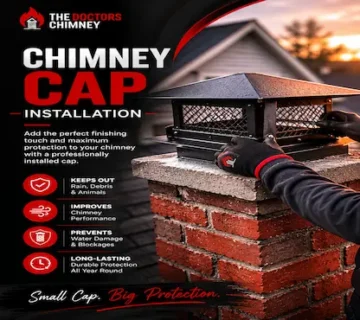
Install a Proper Chimney Cap
A properly installed chimney cap with appropriate screening can help prevent birds, squirrels, raccoons, and other wildlife from entering the chimney.
Inspect Your Existing Chimney Cap
If your chimney already has a cap, check whether it is damaged, loose, rusted, or missing sections.
A damaged cap may no longer provide effective protection.
Repair Openings
Any openings or damaged areas that provide wildlife access should be evaluated and repaired where appropriate.
Schedule Regular Chimney Inspections
Regular inspections can help identify damaged caps, masonry deterioration, and other conditions that may create entry points for wildlife.
Chimney Cap Installation After Animal Removal
If an animal entered through an open or damaged chimney, replacing or repairing the chimney cap may be an important part of preventing another incident.
A properly installed cap can:
- Help keep animals out
- Reduce the chance of nesting
- Help keep leaves and debris out
- Protect the chimney opening
- Help reduce moisture exposure
Wildlife organizations specifically identify chimney capping as an important way to prevent animals from entering chimneys.
The cap should be properly sized and securely installed for the specific chimney.
Animal in Fireplace: What Should You Do?
If an animal has made its way down into the fireplace, don’t try to grab it.
Keep people and pets away from the area and avoid using the fireplace.
If possible, keep the animal contained to the chimney/fireplace area rather than allowing it to enter the rest of the home.
Then contact an appropriate professional who can assess the situation.
The correct response will depend on the type of animal and whether it is trapped, nesting, injured, or able to leave on its own.
Animal Nest in Chimney
A nest inside a chimney should not simply be pulled out without determining whether an animal or young animals are still present.
Birds and mammals may use chimneys as nesting or denning locations.
If you discover a nest, the appropriate action can depend on the species and local wildlife regulations.
A professional evaluation can help determine the next step without unnecessarily disturbing active wildlife.
Chimney Animal Removal and Chimney Cleaning
After an animal or nest has been removed, homeowners often wonder whether the chimney needs to be cleaned.
The answer depends on what was left behind.
Nesting material, debris, feathers, droppings, and other contaminants may require cleaning before the chimney is returned to normal use.
A chimney inspection can help determine whether cleaning is necessary and whether the flue has any additional problems.
When Should You Call a Professional?
Contact a professional if you:
- Hear an animal inside your chimney
- Hear repeated scratching or chirping
- Find nesting material in the fireplace
- Notice an unusual odor
- See an animal entering or exiting the chimney
- Discover a damaged or missing chimney cap
- Find debris falling into the fireplace
- Suspect the chimney is blocked
Don’t wait until the animal problem turns into a chimney problem.
Why Choose The Doctors Chimney?
When an animal enters your chimney, you need more than simply getting the animal out.
You also need to understand how it got in and whether the chimney has been affected.
At The Doctors Chimney, we can help evaluate the chimney and identify potential problems related to animal entry.
Experienced Chimney Professionals
Our team works with homeowners to evaluate chimney conditions and identify potential problems.
Professional Inspection
We look beyond the immediate symptom to understand the condition of the chimney.
Clear Recommendations
We’ll explain what we find and help you understand the next step.
Prevention-Focused Service
Where appropriate, we can identify chimney openings, cap problems, or other conditions that may allow wildlife to return.
If the chimney needs additional attention after an animal has been removed, we also provide chimney services including inspections, cleaning, chimney caps, masonry repair, waterproofing, and other chimney maintenance services.
Chimney Animal Removal Near You
If you’re searching for chimney animal removal near me, chances are you have already heard something moving inside your chimney or discovered evidence that an animal has entered.
Don’t ignore the signs.
A trapped or nesting animal can leave behind debris and may create an obstruction inside the chimney.
The Doctors Chimney can evaluate your chimney and help determine the appropriate next step.
Frequently Asked Questions About Chimney Animal Removal
Raccoons, squirrels, birds, chimney swifts, starlings, and other wildlife can enter chimneys. The species found in a chimney depends on the local environment and the construction and condition of the chimney.
Animals can enter through an uncapped chimney, damaged chimney cap, broken screening, or another opening at the top of the chimney.
Common signs include scratching, chirping, movement, unusual odors, nesting material, feathers, debris, or animal sounds coming from the fireplace.
Do not light a fire or attempt to reach into the chimney. Keep the fireplace area clear and contact an appropriate professional to evaluate the situation.
Yes. Raccoons can use unused chimneys as sheltered denning locations, including for raising young.
Do not attempt to remove them yourself. The appropriate response depends on the species and local wildlife regulations. Professional wildlife assistance may be necessary.
The cost depends on the type of animal, its location, whether it is trapped or nesting, the condition of the chimney, and whether additional cleaning or repairs are required.
The timeline depends on the animal and the situation. Some cases can be addressed quickly, while nesting animals or difficult-to-access locations may require additional steps.
Don't Let an Animal Turn Into a Chimney Problem
If you hear scratching, chirping, or movement coming from your chimney, don’t ignore it.
An animal may be trapped, nesting, or using an opening that could allow other wildlife to enter later.
The first step is to have the situation professionally evaluated.
Hear Something in Your Chimney?
The Doctors Chimney — Professional Chimney Care You Can Trust.

No comment