
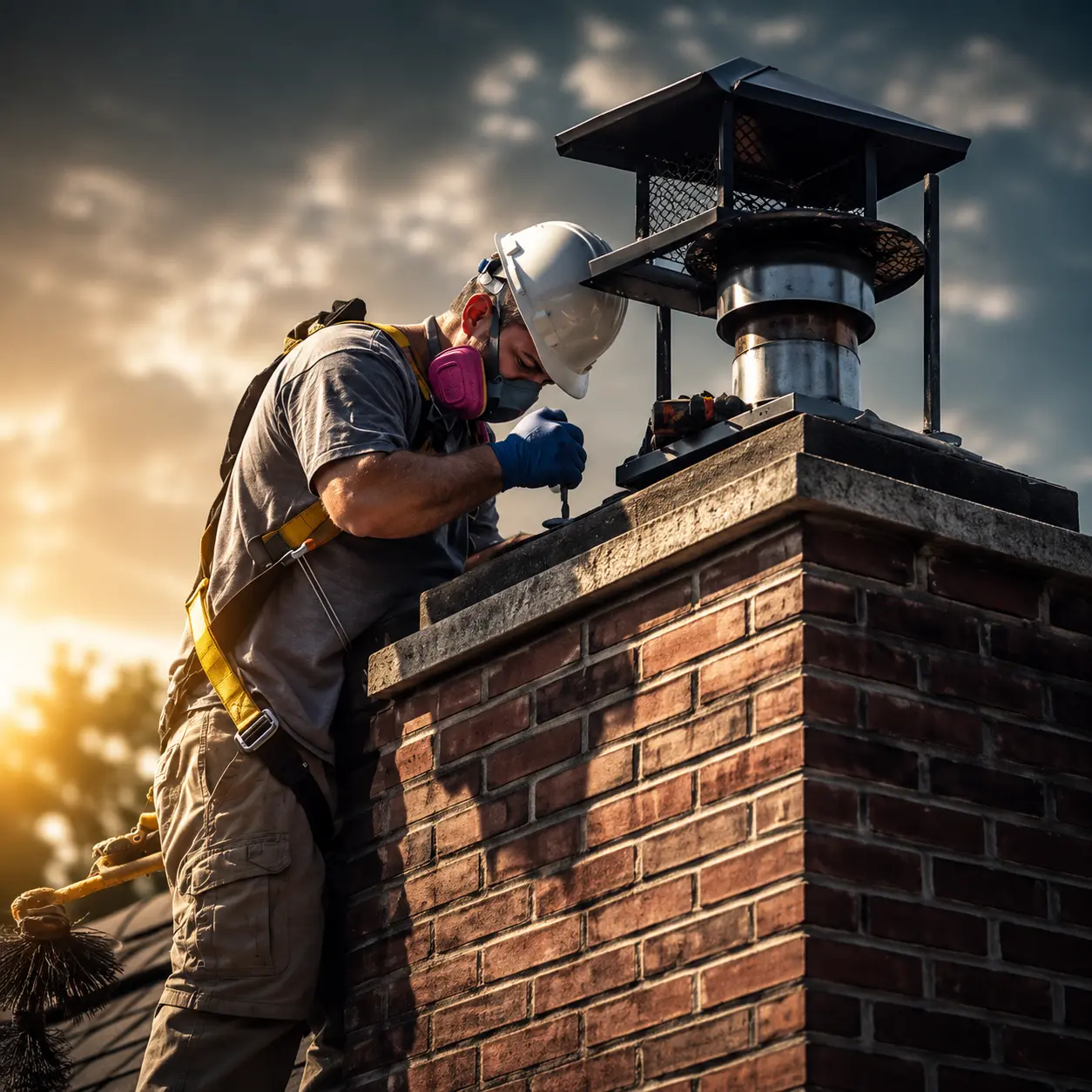
QUALITY SERVICES
Chimney Waterproofing &
Repair
Water is one of the biggest threats to a masonry chimney. Rain, snow, ice, and repeated moisture exposure can gradually damage brick, mortar, chimney crowns, flashing, and other components of the chimney system.
Chimney waterproofing can help protect sound masonry from moisture penetration and reduce the risk of water-related deterioration.
At The Doctors Chimney, we provide professional chimney waterproofing services designed to help protect your chimney from moisture while allowing the masonry to breathe.







What Is Chimney Waterproofing?
Chimney waterproofing is the application of a specialized water-repellent treatment to appropriate exterior masonry surfaces of a chimney.
The purpose is to help reduce the amount of water that penetrates the masonry while allowing water vapor inside the masonry to escape.
This distinction is important.
Chimney waterproofing is not the same as simply painting or sealing the chimney with a material that completely blocks the masonry.
Masonry needs to be able to release moisture. Using an inappropriate coating can potentially trap moisture inside the chimney and contribute to deterioration.
A professional chimney waterproofing treatment should therefore be selected specifically for masonry chimneys and applied according to the product’s requirements.
Professional chimney waterproofing is one of the most effective ways to preserve your chimney’s integrity, extend its lifespan, and reduce future repair costs. In this article, we’ll explain why chimney waterproofing is essential and how The Doctors Chimney provides expert waterproofing solutions to protect your home.
What Causes Chimney Water Damage?
Chimney leaks and moisture problems can have several different causes.
Waterproofing may be part of the solution, but the source of the water should always be identified first.
Rain and Snow
A chimney is directly exposed to outdoor weather.
Rain and melting snow can penetrate porous masonry, particularly when the brick or mortar has already begun to deteriorate.
Freeze-Thaw Cycles
When water enters masonry and temperatures drop below freezing, the water can freeze and expand.
Repeated freezing and thawing can contribute to cracking, spalling, and deterioration of brick and mortar.
Damaged Chimney Crown
The chimney crown helps direct water away from the top of the chimney.
Cracks or deterioration in the crown can allow water to reach areas that should remain protected.
If the crown is damaged, chimney crown repair may be necessary before or alongside waterproofing.
Damaged Flashing
Flashing helps protect the area where the chimney meets the roof.
If flashing is damaged, improperly installed, or deteriorated, water may enter around the chimney even if the masonry itself is in good condition.
Porous or Deteriorated Masonry
Older brick and mortar can absorb water more readily, especially when the exterior surface has deteriorated.
In these situations, waterproofing may help protect otherwise sound masonry from additional moisture penetration.
Signs Your Chimney May Have Water Damage
Chimney water damage isn’t always obvious.
Look for signs such as:
White Staining on Brick
White or powdery deposits on masonry may be efflorescence, which can occur when moisture moves through masonry and carries soluble salts toward the surface.
Spalling Bricks
Spalling occurs when the surface of brick begins to crack, flake, or break away.
This can be associated with moisture penetration and repeated freeze-thaw cycles.
Cracked or Missing Mortar
Deteriorating mortar joints can allow water to penetrate deeper into the chimney.
Water Stains Around the Fireplace
Water appearing around the fireplace or chimney interior may indicate a moisture problem.
The source isn’t always the exact location where the stain appears, so professional evaluation may be necessary.
Damp or Musty Odors
Persistent moisture around a chimney can sometimes create damp or musty odors.
Damaged Chimney Crown
Visible cracks or deterioration at the top of the chimney may indicate a potential entry point for water.
Roof or Ceiling Stains Near the Chimney
Water stains around the chimney area inside the home may be related to flashing, masonry, or another part of the chimney system.
Does Your Chimney Leak When It Rains?
If you notice water around your fireplace or chimney after heavy rain, don’t assume that waterproofing alone will solve the problem.
A chimney leak can originate from several areas, including:
- Chimney masonry
- Chimney crown
- Flashing
- Chimney cap
- Mortar joints
- Roof-to-chimney connection
- Other exterior components
The first step should be identifying the source of the water.
Once the cause is understood, the appropriate repair can be recommended.
Can Chimney Waterproofing Stop a Chimney Leak?
It depends on where the water is coming from.
If water is penetrating porous masonry, an appropriate chimney waterproofing treatment may help reduce moisture penetration.
However, waterproofing cannot replace structural repairs.
For example, if your chimney has:
- A cracked crown
- Damaged flashing
- Missing mortar
- Cracked bricks
- Open joints
- Structural deterioration
those problems may need to be repaired before waterproofing.
That’s why chimney inspection and waterproofing often go together.
The goal is to address the source of the problem rather than simply cover up the symptoms.
Chimney Waterproofing vs. Chimney Sealing
These terms are sometimes used interchangeably, but they can describe very different approaches.
A proper masonry waterproofing treatment is designed to reduce liquid water penetration while allowing water vapor to move through the masonry.
A completely impermeable coating may trap moisture inside the masonry.
For this reason, homeowners should ask what type of product is being used and whether it is specifically designed for exterior masonry and chimney applications.
What Is the Best Waterproofing for a Chimney?
There isn’t one product that is automatically the best for every chimney.
The appropriate waterproofing treatment depends on:
- Masonry type
- Condition of the brick
- Condition of the mortar
- Age of the chimney
- Existing coatings
- Local weather conditions
- Areas of moisture exposure
- Manufacturer requirements
A professional should evaluate the chimney before recommending a waterproofing treatment.
Can You Waterproof an Old Chimney?
Yes, an older chimney may be a candidate for waterproofing if the masonry is generally sound.
However, age alone doesn’t determine whether waterproofing is appropriate.
An older chimney should first be evaluated for:
- Cracked bricks
- Deteriorated mortar
- Spalling
- Crown damage
- Flashing problems
- Open joints
- Structural concerns
- Existing moisture damage
Waterproofing damaged masonry without addressing the underlying problem is unlikely to provide the protection the chimney needs.
Should You Waterproof a Chimney With Cracked Bricks?
Not before evaluating the damage.
Cracked or spalling bricks may need repair or replacement.
Similarly, deteriorated mortar joints may require chimney masonry repair or repointing.
Waterproofing is generally intended to protect appropriate masonry—not replace necessary repairs.
The chimney should be inspected first so the correct sequence of work can be determined.
Chimney Waterproofing and Masonry Repair
Waterproofing works best as part of an overall chimney maintenance plan.
If your chimney has deteriorated masonry, the repair may involve:
Inspection → Repair → Cure/Dry → Waterproofing
The exact sequence depends on the type of masonry repair and waterproofing product being used.
Repairing damaged brick and mortar before applying a water-repellent treatment can help ensure that the underlying problems are addressed rather than hidden.
Chimney Crown Repair and Waterproofing
The chimney crown is one of the first areas to evaluate when a chimney has water problems.
The crown is designed to shed water away from the chimney structure.
If the crown is cracked or deteriorated, water can enter the chimney from above.
In that situation, chimney crown repair may be necessary.
Waterproofing the masonry does not eliminate the need to repair a damaged crown.
For homeowners experiencing chimney leaks, evaluating both the crown and exterior masonry can help identify the actual source of the problem.
Chimney Flashing and Waterproofing
Flashing is another critical part of chimney water protection.
The flashing system seals the area where the chimney intersects with the roof.
If flashing is damaged or improperly installed, water can enter around the base of the chimney.
Applying waterproofing to the brick does not repair defective flashing.
If you are experiencing a chimney leak, the chimney, crown, masonry, and flashing should all be evaluated.
Chimney Waterproofing Process
Professional chimney waterproofing begins with evaluating the condition of the chimney.
1. Chimney Inspection
The exterior masonry and other visible chimney components are evaluated for signs of moisture damage and potential water entry.
2. Identify Existing Problems
Cracked masonry, deteriorated mortar, crown damage, flashing problems, and other defects should be identified before waterproofing.
3. Complete Necessary Repairs
If the inspection identifies repairs that need to be completed first, those issues should be addressed before applying the waterproofing treatment.
4. Prepare the Masonry
The chimney surface should be properly prepared according to the requirements of the waterproofing product.
5. Apply the Waterproofing Treatment
A suitable chimney masonry water-repellent product is applied according to the manufacturer’s instructions.
6. Allow the Treatment to Cure
The product needs appropriate conditions and curing time to perform as intended.
The exact application process varies depending on the chimney and product selected.
How Long Does Chimney Waterproofing Last?
The lifespan of a waterproofing treatment depends on the product used, application, weather exposure, chimney condition, and other environmental factors.
Waterproofing should not be considered a permanent replacement for chimney maintenance.
Regular inspections can help determine when the chimney may need additional protection or repairs.
Does Chimney Waterproofing Prevent All Water Damage?
No.
Waterproofing can help reduce water penetration through appropriate masonry surfaces, but it cannot prevent every possible source of chimney water damage.
A chimney can still develop leaks because of:
- Damaged flashing
- Cracked chimney crown
- Missing chimney cap
- Structural cracks
- Deteriorated mortar
- Damaged bricks
- Roof problems
- Improper construction
That’s why waterproofing should be viewed as one part of a broader chimney maintenance strategy.
What Happens If Chimney Water Damage Is Ignored?
Small moisture problems can become larger problems over time.
Continued water exposure may contribute to:
- Deteriorating mortar
- Cracked bricks
- Spalling
- Interior water damage
- Damage to surrounding roofing materials
- Deterioration of chimney components
The longer moisture problems continue, the more difficult and expensive the repair may become.
If you notice signs of chimney water damage, having the chimney evaluated early can help you understand what needs attention.
Chimney Waterproofing for Older Homes
Older homes often have masonry chimneys that have been exposed to decades of weather.
Depending on the age and construction of the chimney, you may find:
- Aging brick
- Deteriorated mortar
- Previous repairs
- Cracked crowns
- Older flashing systems
- Areas of spalling
- Moisture-related deterioration
If you own an older home, regular chimney inspections can help identify water-related problems before they become extensive.
Is Chimney Waterproofing Worth It?
For a chimney with sound masonry that is exposed to significant moisture, professional waterproofing can be an important part of preventive maintenance.
It may help reduce water penetration and protect the exterior masonry from weather exposure.
But waterproofing is not appropriate as a substitute for repairing damaged masonry, crowns, flashing, or other structural problems.
The best way to determine whether your chimney needs waterproofing is to have its condition professionally evaluated.
Why Choose The Doctors Chimney for Chimney Waterproofing?
Your chimney is exposed to the weather every day.
At The Doctors Chimney, we focus on understanding the condition of the chimney before recommending waterproofing or other repairs.
Experienced Chimney Professionals
Our team provides professional chimney inspection, maintenance, and repair services.
Thorough Evaluation
We look for visible signs of moisture damage and potential areas where water may be entering the chimney system.
Clear Recommendations
We explain what we find and help you understand which repairs or maintenance services may be appropriate.
Quality Workmanship
Our goal is to properly address chimney problems rather than simply cover up visible symptoms.
Complete Chimney Services
If your chimney needs additional work, The Doctors Chimney provides services including chimney inspection, crown repair, masonry repair, chimney caps, smoke chamber repair, relining, and chimney cleaning
Chimney Waterproofing Near You
If you’re searching for chimney waterproofing near me, you may already have noticed signs of water damage or simply want to protect an aging masonry chimney.
Before applying any waterproofing treatment, it’s important to determine whether the chimney has existing damage that needs to be repaired first.
The Doctors Chimney can inspect your chimney, identify potential moisture problems, and help you determine whether professional chimney waterproofing is appropriate for your home.
Frequently Asked Questions About Chimney Waterproofing
Chimney waterproofing is the application of a specialized water-repellent treatment designed for masonry to help reduce water penetration while allowing moisture vapor to escape.
It can help reduce water penetration through porous masonry, but it cannot repair every type of chimney leak. Crown, flashing, masonry, or chimney cap problems may require separate repairs.
Signs such as spalling bricks, deteriorating mortar, efflorescence, or recurring moisture around the chimney may indicate that the chimney needs professional evaluation.
Brick masonry chimneys can often be treated with an appropriate masonry water-repellent product, provided the masonry is suitable and existing damage is addressed first.
Some products are available to homeowners, but chimney waterproofing should be approached carefully. The wrong coating or application method can create additional masonry problems. Professional evaluation can help determine the appropriate product and preparation.
An inappropriate coating that traps moisture inside masonry can potentially contribute to deterioration. Proper chimney waterproofing products are designed differently from impermeable paints or sealers.
Usually, existing cracks and damaged masonry should be evaluated and repaired before waterproofing. Waterproofing should not be used to hide structural or masonry damage.
Waterproofing may be appropriate after masonry repairs, depending on the repair materials, chimney condition, and waterproofing product. The timing should follow the repair and product requirements.
There is no single schedule that applies to every chimney. Product lifespan, weather exposure, masonry condition, and other factors affect how long the treatment remains effective.
Reducing water penetration can help limit the amount of moisture entering porous masonry, which may help reduce moisture-related deterioration associated with freeze-thaw cycles. It cannot eliminate all freeze-related damage.
No. The need for waterproofing depends on the chimney's masonry, condition, exposure, age, and history of moisture problems.
No. A damaged chimney crown requires appropriate crown repair or replacement. Waterproofing the masonry does not repair structural crown damage.
No. Damaged or improperly installed flashing needs to be repaired separately.
Protect Your Chimney Before Water Becomes a Bigger Problem
Your chimney is exposed to rain, snow, ice, and changing temperatures throughout the year.
Over time, moisture can contribute to deteriorating brick, damaged mortar, spalling, and other chimney problems.
Professional chimney waterproofing can help protect appropriate masonry from water penetration—but the first step is understanding the condition of your chimney.
If you’re seeing water stains, cracked or deteriorating masonry, efflorescence, or other signs of moisture around your chimney, don’t wait for the damage to spread.
Find Out Where the Water Is Coming From.
[BOOK YOUR CHIMNEY INSPECTION]
The Doctors Chimney — Professional Chimney Care You Can Trust.

No comment